Find Support for Swelling After Head and Neck Cancer Treatment
Swelling in your face, jaw, or neck can affect much more than appearance. It may contribute to tightness, stiffness, or difficulty with movements you rely on for everyday activities. For many people, these changes occur after already going through demanding cancer treatment. At Beyond Therapy and Wellness, physical therapy for head and neck lymphedema in Bedford, TX provides individualized care to help manage swelling and support your movement and function.
We recognize that symptoms in such a visible and personal area of the body can be difficult. Your therapist will approach your concerns with sensitivity, explain your options clearly, and help you develop strategies that fit into your daily life.

What Is Head and Neck Lymphedema?
Lymphedema occurs when lymphatic fluid accumulates because the lymphatic system cannot move it effectively. In the head and neck, this may cause swelling around the face, jaw, chin, or neck.
Symptoms may develop during treatment, shortly afterward, or later in recovery. The location and severity can also vary considerably from one person to another.
Head and neck lymphedema can develop when cancer treatment affects lymph nodes or lymphatic vessels. Common contributing factors include:
- Lymph node removal
- Head or neck surgery
- Radiation therapy
- Other cancer treatments
- Scar tissue and tissue changes following treatment
- Damage or disruption to the lymphatic system
Recognizing the Effects of Head and Neck Lymphedema
Swelling may be the first change you notice, but head and neck lymphedema can affect the tissues in other ways.
Lymphedema can sometimes occur internally as well, affecting tissues within the mouth or throat. Concerns involving swallowing, speech, or breathing may require assessment and treatment from other appropriate members of your medical and rehabilitation team.
Possible symptoms include:
- Swelling around the face, jaw, chin, or neck
- A feeling of fullness, pressure, or heaviness
- Tightness in the skin or soft tissues
- Changes in facial or neck appearance
- Reduced neck mobility
- Jaw stiffness
- Tissue firmness or thickening
- Discomfort with certain head or neck movements
- Difficulty completing some daily activities
Your Treatment Begins With Understanding What Has Changed
Cancer treatment can leave several physical changes at the same time. You may be dealing with swelling along with neck stiffness, weakness, scar tissue, fatigue, or reduced activity.
That is why we look beyond swelling alone. Your physical therapist at Beyond Therapy and Wellness will ask about your medical and cancer treatment history, current symptoms, and how these changes are affecting your life. Your evaluation may include the location and characteristics of swelling, skin and tissue changes, neck or jaw mobility, strength, and functional movement.
Just as importantly, we want to hear what concerns you most. That conversation helps us determine where therapy can make a meaningful difference.
How Can Physical Therapy Help With Head and Neck Lymphedema?
Treatment is based on your individual findings and medical needs. Your therapist may combine several approaches to help manage swelling and maintain comfortable movement.
Education is woven throughout treatment. We want you to understand what you are doing, why it may help, and how to recognize changes that should be discussed with your healthcare team.
Your plan may include:
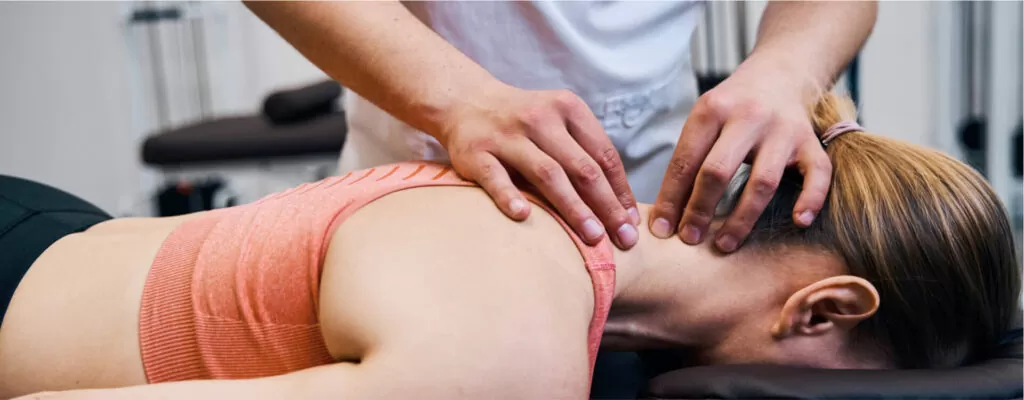
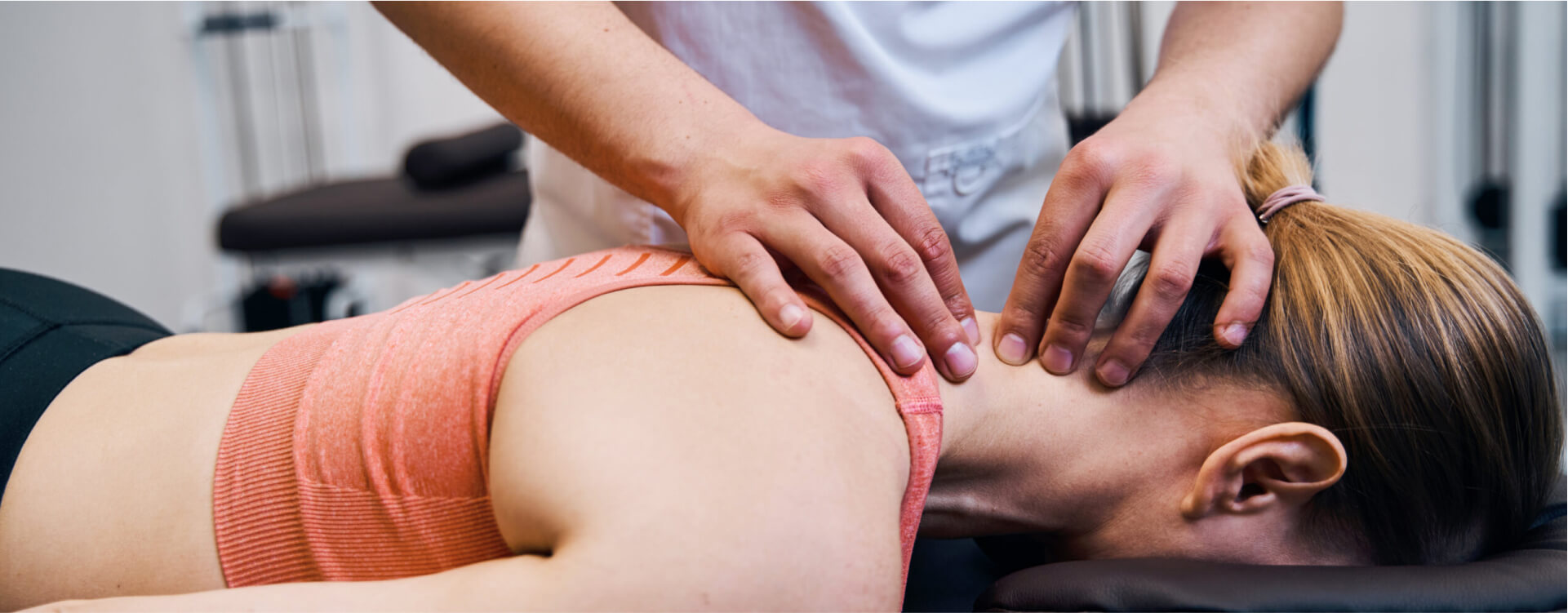
- Manual lymphatic drainage using specialized, gentle techniques intended to encourage lymphatic fluid movement.
- Compression strategies when appropriate to help manage fluid accumulation.
- Therapeutic exercise to support circulation, strength, and overall physical function.
- Neck mobility exercises to address stiffness and help maintain comfortable movement.
- Jaw mobility exercises when treatment-related restrictions are affecting jaw movement.
- Scar and soft tissue techniques when appropriate to address restrictions following surgery or radiation.
- Skin care education to help protect tissues affected by lymphedema.
- Self-management training so you can use appropriate strategies between appointments and over the longer term.
- Functional exercise to address weakness or other physical limitations that may have developed during cancer treatment.
Managing a Condition That May Change Over Time
Head and neck lymphedema may fluctuate. Swelling can feel different at various points in recovery, and the strategies that work best for you may also change.
Your therapist can help you learn to recognize these patterns. Instead of relying entirely on treatment received in the clinic, you can learn techniques for supporting your own care. This may include movement, skin care, appropriate compression, or other individualized strategies.
Developing these skills can give you a greater sense of control over a condition that may otherwise feel unpredictable.
Respectful Care for Changes That Can Feel Deeply Personal
Changes to your face and neck can be emotionally difficult as well as physically uncomfortable. You may feel self-conscious about swelling or frustrated that your body still looks or feels different after cancer treatment.
At Beyond Therapy and Wellness, these concerns are never treated as superficial.
Your one-on-one appointments provide privacy and time to talk openly about what you are experiencing. Our all-female team is committed to creating an environment where you feel respected, heard, and comfortable asking questions.
We will not assume which changes matter most to you. Instead, we listen and build care around your priorities, whether you are most concerned about movement, swelling management, daily function, or simply understanding what is happening with your body.
Supporting Your Function Beyond Cancer Treatment
Cancer recovery does not end when medical treatment ends. Physical changes may continue to affect your routines and quality of life afterward.
Managing head and neck lymphedema may be one part of that recovery. Improving neck or jaw mobility, addressing weakness, staying physically active, and learning how to manage swelling can all support greater participation in everyday life.
Your therapist can also recognize when a concern falls outside the role of physical therapy. If symptoms related to swallowing, speech, breathing, nutrition, or other medical needs require additional expertise, we can encourage appropriate follow-up with your healthcare team.
Frequently Asked Questions
Yes. Head and neck lymphedema may appear during treatment or develop later after surgery, radiation, or other treatments have affected the lymphatic system. New or changing swelling should be discussed with your healthcare team so the cause can be appropriately evaluated.
Self-management is often an important part of long-term lymphedema care. Depending on your needs, a trained therapist may teach you appropriate techniques involving skin care, exercise, compression, or lymphatic drainage. It is important to receive individualized instruction rather than assuming that every lymphedema technique is appropriate for you.
Swelling and tissue changes in the head and neck region can sometimes occur alongside swallowing difficulties, particularly after cancer treatment. Swallowing problems require appropriate assessment because they can affect nutrition and safety. Your physical therapist can address areas within their scope and help identify when evaluation by a speech-language pathologist, physician, or another qualified provider is appropriate.
Get Personalized Help Managing Head and Neck Lymphedema
You have already been through a great deal. Learning to manage another physical change after cancer treatment can feel overwhelming, but you do not have to figure it out without support.
Contact Beyond Therapy and Wellness to learn more about physical therapy for head and neck lymphedema in Bedford, TX. We will take the time to understand what has changed, answer your questions, and help you develop practical strategies for managing swelling and supporting your function.
Your Next Steps…
- Request An Appointment
- Receive A Custom Treatment Plan
- Work Hard and Progress In Your Recovery
- Recover & Enjoy Life Pain-Free