Health Blog
Building a Strong Foundation: Preventing Diastasis Recti Recurrence

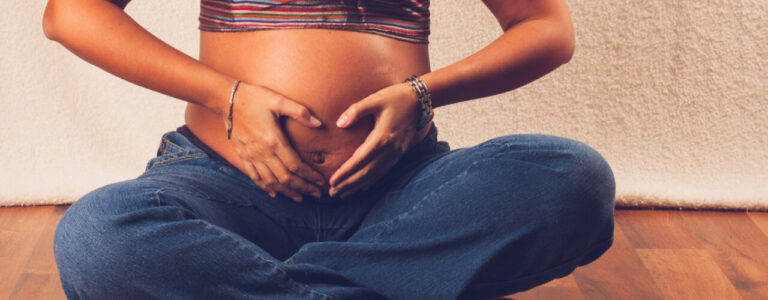
After the birth of her second child, Sarah (not her real name) began noticing something wasn’t quite right with her core. Despite giving her body time to heal, she continued to experience a gap in her abdominal muscles, which left her feeling weak and uncomfortable, particularly in her lower back. She realized that she might be dealing with diastasis recti, a common condition where the abdominal muscles separate during pregnancy. Frustrated by her inability to regain core strength on her own, Sarah sought help at , where pelvic health therapy would be key in her journey toward recovery and preventing diastasis recti recurrence.
Read full blogHow Pelvic Pain Can Affect Urinary Health in Women
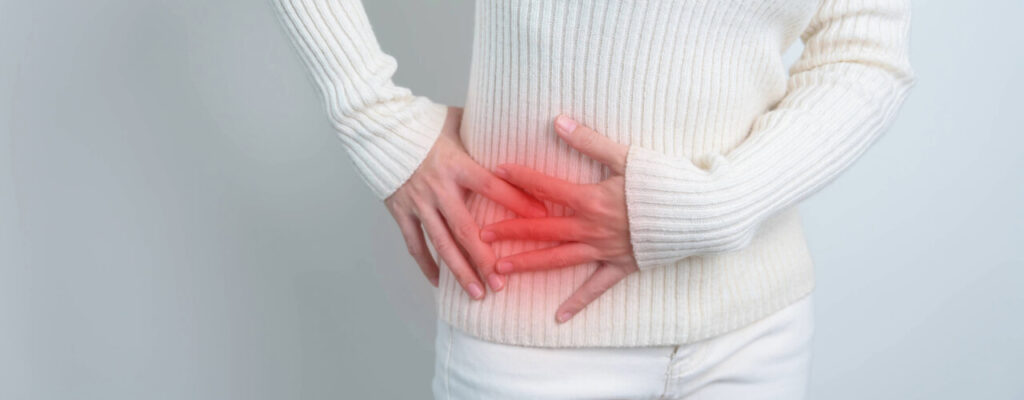
Many women experience pelvic pain at some point in their lives, but what is less commonly discussed is the impact that pelvic pain can have on urinary health. The pelvic muscles and organs are closely connected, meaning that when there’s dysfunction or pain in the pelvic area, it can often lead to urinary problems. Understanding the link between pelvic pain and urinary issues is the first step toward finding relief and improving overall well-being. Our pelvic health specialists at can help women address these issues with personalized treatment plans designed to restore function and improve quality of life.
Read full blogNavigating Menopause Symptoms with Physical Therapy
Menopause is a natural phase of life that brings about significant changes in a woman’s body. Along with these changes come a variety of symptoms that can impact daily life, such as joint pain, muscle weakness, and pelvic floor issues. These challenges can feel overwhelming, but there are ways to manage them effectively. Physical therapy for menopause is a safe and natural solution that can help women manage the symptoms of menopause, improve their mobility, and maintain a higher quality of life.
Read full blogUnderstanding the Causes of Pelvic Organ Prolapse
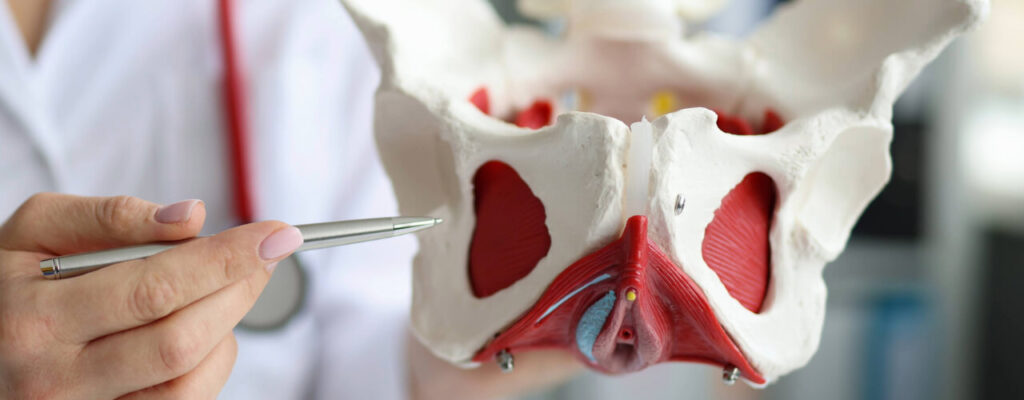
Does it ever feel like your pelvic area is heavy or full? Are you experiencing lower back or pelvic pain, particularly during intercourse? If so, you may have developed a pelvic organ prolapse, a condition that affects primarily women. Pelvic organ prolapse causes can vary, but is here to help you address them!
Pelvic organ prolapse happens when the muscles and connective tissues in the pelvic floor weaken, allowing organs like the bladder or uterus to descend into the vaginal canal (in women) or rectum (in men, although that’s much more rare).
Read full blogSolutions for Lower Back Pain Relief

Lower back pain is a common complaint that can range from a mild annoyance to a debilitating condition. If you’re one of the millions of people suffering from lower back pain, you know how it can disrupt your daily activities and overall quality of life. The good news is that there are effective lower back pain relief solutions that don’t involve surgery or heavy reliance on medication. In this post, we’ll explore the causes of lower back pain, its symptoms, and, most importantly, the treatment options available to you at .
Read full blogHow to Manage Pre/Post Natal Health Challenges with Physical Therapy
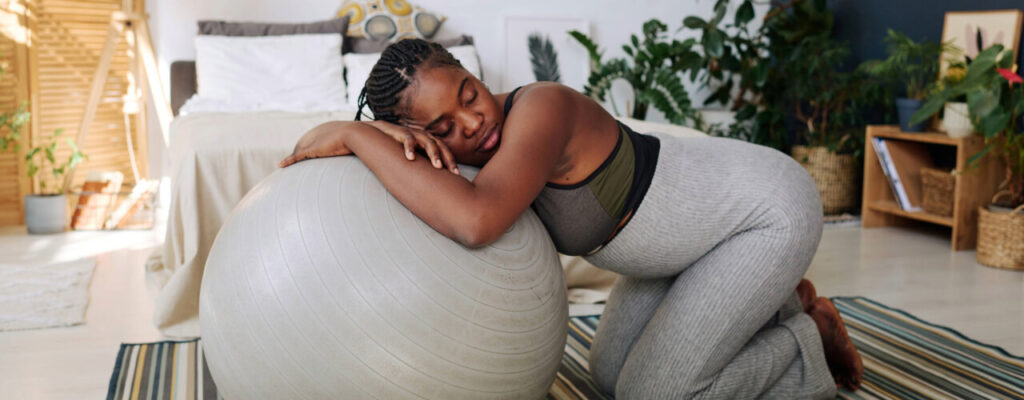
Pregnancy and the postpartum period are life-changing experiences, but they also bring a variety of physical challenges that can affect a woman’s body. From pelvic pain and back discomfort to core weakness and pelvic floor dysfunction, pre/post natal health can be significantly impacted. Fortunately, physical therapy provides a safe and effective way to manage these challenges, helping women stay healthy during pregnancy and recover more quickly after childbirth. At , our specialized therapists offer personalized care to support women through these critical phases, addressing their unique needs and promoting long-term well-being.
Read full blogPelvic Floor Health: Empowering Women Through Physical Therapy

When was the last time you thought about pelvic floor health? From supporting your bladder and sex organs to enhancing core stability, this sling of internal muscles is vital for overall well-being. Physical therapy for pelvic floor health is crucial in strengthening these muscles, improving function, and preventing issues that could impact daily life.
Today, we want to explore your pelvic floor: what it is, how it affects your life, and how physical therapy with can help keep it healthy!
Read full blogThriving in Motion: Pelvic Floor Dysfunction in Athletes

Athletes push their bodies to perform at high levels, often putting significant stress on their muscles and joints. While physical strength and endurance are key to athletic performance, many athletes overlook a critical part of their body that plays a vital role in stability and function: the pelvic floor. Pelvic floor dysfunction in athletes is a common yet often underdiagnosed issue, leading to symptoms like incontinence, pelvic pain, and core instability. Physical therapy offers effective, non-invasive treatment options for managing and preventing pelvic floor dysfunction, allowing athletes to continue thriving in their sport.
Read full blogPregnancy-Related Pain: Physical Therapy Solutions for Expecting Mothers
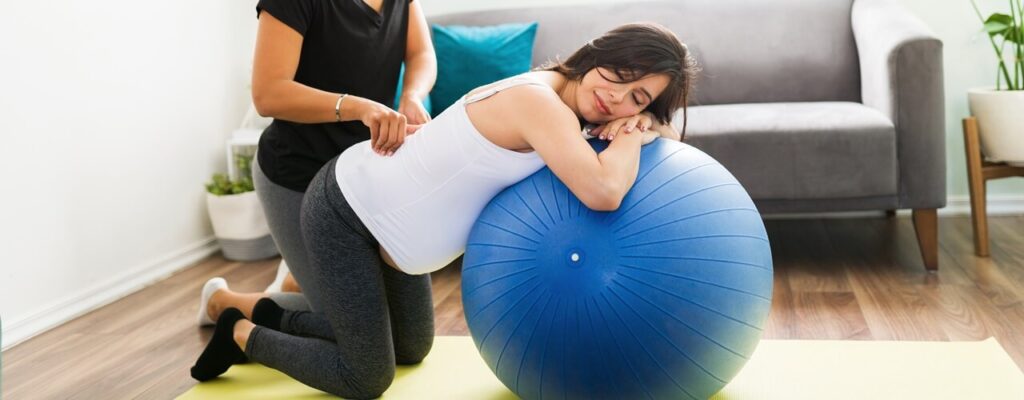
Are you experiencing discomfort and pain during your pregnancy? You’re not alone. Meet Rita, a 32-year-old expecting mother in her second trimester of pregnancy. Excited to welcome her first child, Rita was thrilled about the journey ahead but found herself grappling with persistent discomfort and pain. Rita noticed increased pressure on her lower back and pelvis, making simple tasks like walking or standing for prolonged periods difficult. Additionally, she experiences occasional shooting pain down her legs, especially when shifting positions or bending over.
Read full blogUnveiling the Causes: Understanding Diastasis Recti
Diastasis recti is a common condition in pregnant and postpartum women. According to recent studies, up to 60% of postpartum women experience diastasis recti. This condition occurs when the abdominal muscles separate, leading to a noticeable bulge in the midsection and potential complications like back pain and pelvic floor dysfunction. Fortunately, with targeted physical therapy, relief and recovery are within reach!
Ready to get started with physical therapy? Call our team at in Bedford, TX today to learn more!
Read full blog