Health Blog
Navigating Menopause Symptoms with Physical Therapy

Menopause is a natural transition that marks the end of a woman’s reproductive years. Approximately 75% of women experience symptoms of menopause, such as hot flashes, night sweats, and mood changes. While these symptoms can significantly impact one’s quality of life, physical therapy for menopause offers a comprehensive approach to managing them and helping you find relief.
Ready to get started managing menopause symptoms with physical therapy? Call our team at in Bedford, TX today to learn more!
Read full blogPreventing and Treating Pregnancy-Related Pain Through Physical Therapy
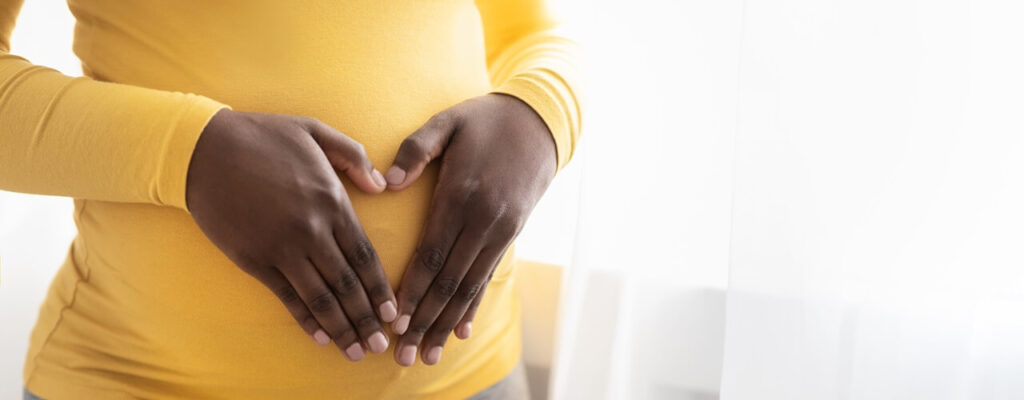
Pregnancy is a beautiful journey, but it’s not without its challenges. For many expecting mothers, pregnancy-related pain can be a significant hurdle, affecting their daily lives and overall well-being. Meet Emily, a 29-year-old woman in her second trimester of pregnancy, eagerly anticipating the arrival of her first child. However, along with the excitement came discomfort. Emily experienced persistent lower back pain that made it difficult to sit for long periods at work or enjoy leisurely walks in the park with her partner.
Read full blogPelvic Floor Health: Empowering Women Through Physical Therapy
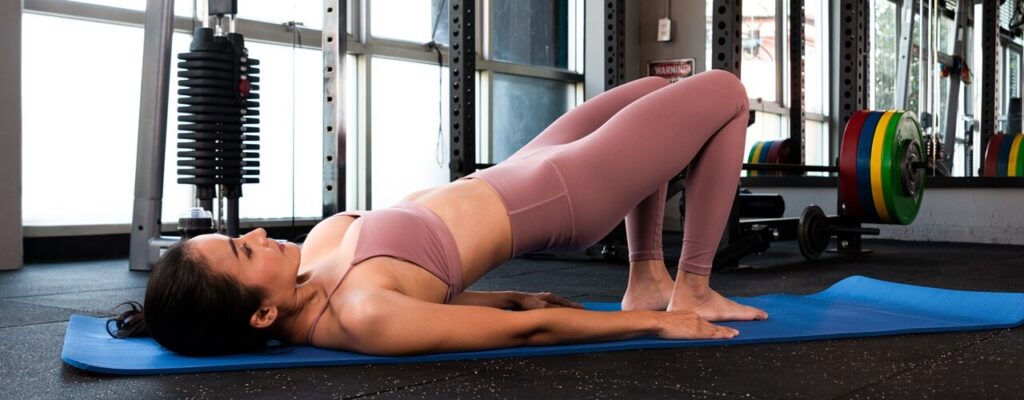
Pelvic floor health is not just a matter of physical wellness; it’s about empowerment and reclaiming control over one’s body. Meet Catherine, a 35-year-old mother of two who has been dealing with pelvic pain for the past few years. After the birth of her second child, Catherine noticed a persistent ache in her pelvic region that made it uncomfortable to sit for long periods or engage in her favorite activities, like playing with her kids at the park.
Read full blogCore Connection: Diastasis Recti and Core Strength

The relationship between diastasis recti and core strength is fundamental to understanding and addressing this condition. The core muscles, comprising the abdominals, back, and pelvic floor, provide stability and support to the torso. During pregnancy, hormonal changes and increased intra-abdominal pressure can weaken and stretch the connective tissue between the rectus abdominis muscles, contributing to the development of diastasis recti. As a result, restoring and enhancing core strength becomes paramount in addressing this separation and alleviating associated symptoms.
Read full blogManaging Incontinence with Pelvic Organ Prolapse
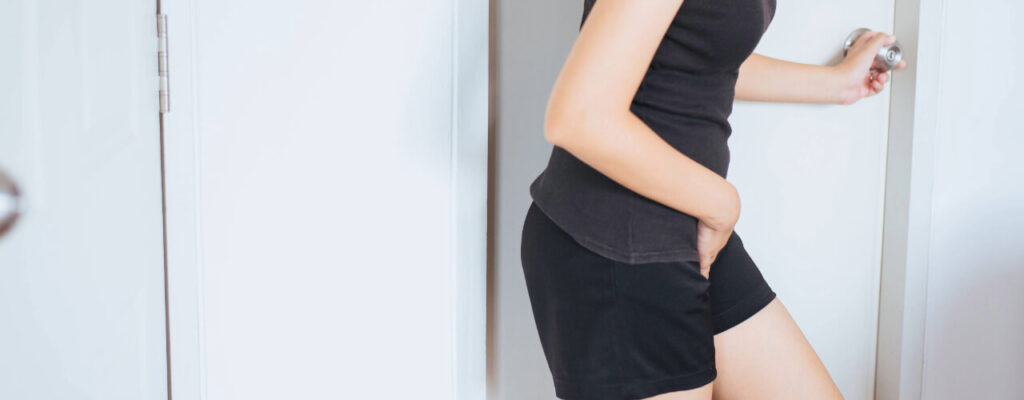
Pelvic organ prolapse is a condition that affects many women, particularly those who have experienced childbirth or are going through menopause. When the pelvic floor muscles become weak, the organs they support—such as the bladder, uterus, or rectum—can begin to descend. This not only leads to discomfort but also contributes to urinary issues like incontinence. Understanding the link between pelvic organ prolapse and incontinence is crucial for women seeking long-term relief. At , our physical therapists specialize in treating these conditions through targeted therapy that strengthens the pelvic floor and restores bladder control.
Read full blogBouncing Back: Postpartum Diastasis Recti Recovery
Meet Gina, a vibrant new mom who recently welcomed her bundle of joy into the world. While Gina was overjoyed with her new role as a mother, she’s also grappled with unexpected challenges. Like many women, Gina was experiencing postpartum diastasis recti, a condition that affects the abdominal muscles, causing them to separate during pregnancy and childbirth. As she went about her daily routines, Gina felt a strain in her abdomen, making even simple tasks like bending down to pick up her baby painful.
Read full blogThe Impact of Poor Posture on Back Pain and How to Fix It
Back pain is a common complaint that can range from a mild annoyance to a debilitating condition. While there are many potential causes of back pain, poor posture is a frequently overlooked contributor. Chronic poor posture puts unnecessary strain on the muscles and joints of the back, leading to pain and discomfort. The good news is that improving your posture can provide significant back pain relief. In this post, we’ll explore the link between back pain and posture, the symptoms to watch for, and most importantly, the strategies our Beyond Therapy and Wellness team uses for improving your posture and alleviating back pain.
Read full blogUnderstanding the Different Causes of Pelvic Pain in Women

Pelvic pain is a common experience for women–but it’s not something you have to live with. While you have various options for managing pelvic pain, one that’s often overlooked is physical therapy, which is a shame! Physical therapists seek to understand pelvic pain causes, which allows us to provide effective, long-lasting relief.
But what are some of the pelvic pain causes? That’s a question the Beyond Therapy and Wellness team wants to answer in today’s blog.
Read full blogEffective Strategies for Chronic Pain Management

Chronic pain affects millions of people worldwide, making everyday activities challenging and diminishing their quality of life. Around 20% of adults in the United States suffer from chronic pain, with nearly 8% experiencing high-impact chronic pain. Physical therapy offers promising avenues for chronic pain management, providing non-invasive approaches to alleviate discomfort and improve overall well-being.
Ready to get started with physical therapy for chronic pain? Call our team at Beyond Therapy and Wellness in Bedford, TX today to learn more!
Read full blogExercise Therapy for Pelvic Floor Dysfunction
Pelvic floor dysfunction refers to a range of issues affecting the muscles, ligaments, and connective tissues in the pelvic region, leading to symptoms like urinary incontinence, pelvic pain, and discomfort during intercourse. Pelvic floor dysfunction can significantly impact daily life, causing discomfort and affecting overall well-being. However, there’s hope. Exercises tailored to improving pelvic floor health can offer relief and restore function. Let’s explore how pelvic floor dysfunction and exercise go hand-in-hand during your recovery.
Read full blog