
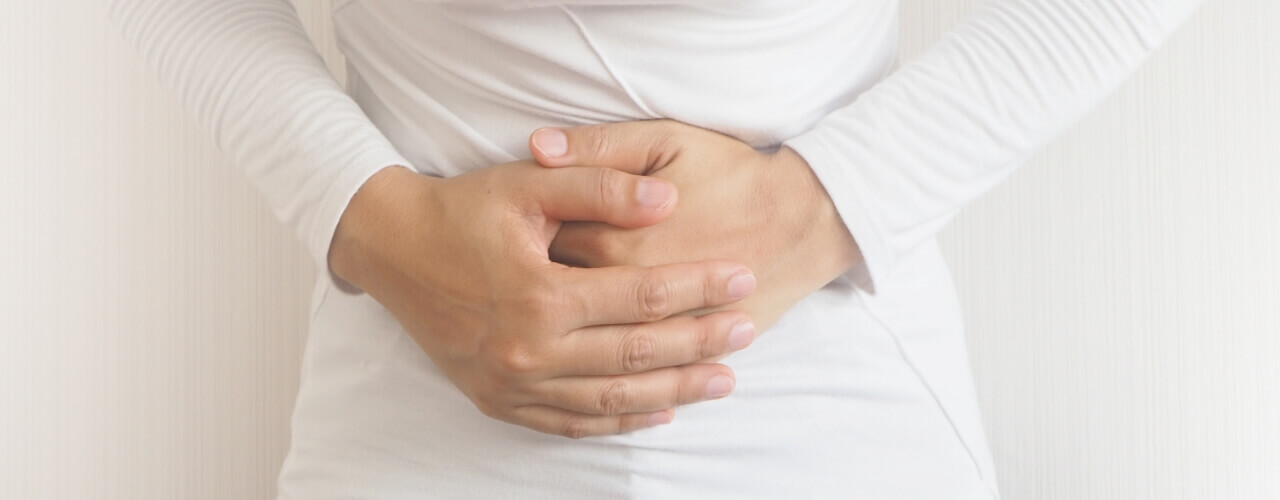
Have you been struggling with pelvic pain since getting pregnant or giving birth? Have you heard that physical therapy can help? We specialize in women’s health issues at Beyond Therapy and Wellness in Texas. We take a holistic approach to care and have a patient-first attitude. We know how discouraging it can be to have persistent difficulties, but fortunately, there are solutions!
Many women experience common pelvic pain, incontinence, and other related issues. These health concerns can profoundly impact one’s mental, physical, and emotional well-being, interfering with daily life and enjoyment.
Women experience physical changes throughout their lives that can significantly impact their normal bowel, bladder, and sexual function. Our team routinely helps women deal with these changes and the normal hormonal changes that affect mood and other systems in the body.
Call today to schedule an appointment at Beyond Therapy and Wellness in Texas to evaluate your condition and symptoms. Let us help guide you back to health and wellness!
What are the most common issues related to women’s health?
Urinary Incontinence: Our physical therapists can assess urinary incontinence by performing a thorough medical history and physical examination. This includes an assessment of the patient’s symptoms, including the frequency and volume of incontinence, the type of incontinence, and the presence of any associated symptoms, such as urgency, pain, or discomfort.
Our physical therapists evaluate and treat patients experiencing urinary incontinence symptoms such as increased frequency, leaking with coughing/sneezing, lifting, exercising, or strong urges. These symptoms may result from weak or tight pelvic floor muscles, poor muscle coordination, abdominal weakness, or bladder habits.
Additionally, physical therapists may perform pelvic floor muscle assessments to determine the strength and coordination of these muscles to determine the underlying causes of incontinence.
Pregnancy-Related Low Back Pain: One of the keys to identifying if your back pain is related to your pregnancy starts by learning about your symptoms. We will also need to know the location and severity of the pain and any associated symptoms, such as muscle weakness or numbness. This helps point to the structures that are most likely involved.
Next, our Beyond Therapy and Wellness physical therapists will perform movement assessments to determine the presence of any muscle imbalances, tissue or joint mobility restrictions, and any postural dysfunctions that may contribute to your pain.
Pregnancy takes a toll on a woman’s body, leading to changes in posture, muscle strength, ligament stability, and pelvic alignment. These changes can cause lasting pain, such as pelvic or back pain. However, having a baby does not mean living with the pain forever. Many women can achieve significant improvement in pain and function with physical therapy.
Pelvic Pain: Our holistic approach to treatment starts by determining the location and severity of your pain and any associated symptoms that may be impacting your normal activities. We will perform pelvic floor muscle assessments to determine the presence of any muscle imbalances or dysfunctions contributing to your pain or dysfunction.
Assessing the root cause of pelvic pain is crucial. Our evaluations take into account a variety of symptoms related to the pelvic area, including abdominal pain, groin pain, pain during intercourse, difficulties with urination/defecation, and bladder pain.
The pain may stem from pelvic muscle tension, weakness, or poor coordination due to scar tissue restriction from surgeries, a history of poor bladder/bowel habits, pelvic or spine joint dysfunction, or tears from deliveries.
How physical therapy can help
At Beyond Therapy and Wellness in Texas, physical therapy treatments for back and pelvic pain and urinary incontinence will be based on your specific needs. Treatments may involve muscle re-education, weak pelvic floor muscles strengthening, soft tissue massage, bladder health education, biofeedback, and core stabilization.
Our physical therapists will thoroughly examine your medical history and musculoskeletal system to determine the best course of treatment. We will include preventative measures and educational instructions to prevent future episodes.
Pelvic physical therapy at Beyond Therapy and Wellness focuses on strengthening the pelvic floor muscles. When these muscles become tight or weak, daily life can be affected. The pelvic region is crucial for supporting the core and plays an essential role in everyday movements. We can help improve bladder control, reduce incontinence symptoms, and improve your overall physical function through exercises such as pelvic tilts, Kegels, and squats.
Physical therapists may also provide education on bladder and bowel habits and lifestyle modifications to improve your symptoms. This may include exercises to improve posture, strengthen the core and back muscles, and reduce the strain on your pelvis and spine through proper body mechanics.
Our team will address back and pelvic pain with a combination of manual therapy techniques, such as massage, joint mobilization, and stretching, as well as targeted stretches and exercise prescriptions.
Schedule an appointment at Beyond Therapy and Wellness today!
Don’t let pelvic conditions hold you back from the activities you love. Schedule an appointment at Beyond Therapy and Wellness in Texas today to learn how we can help. Our dedicated physical therapists are here to guide you toward relief and improved well-being!
Sources:
- https://bmcpregnancychildbirth.biomedcentral.com/articles/10.1186/s12884-020-03184-4#:~:text=The%20average%20reported%20prevalence%20of,studies%20%5B17%2C%2018%5D
- https://pubmed.ncbi.nlm.nih.gov/32560862/
- https://www.ncbi.nlm.nih.gov/pmc/articles/PMC7220333/
- https://www.cochranelibrary.com/cdsr/doi/10.1002/14651858.CD005654.pub4/full
- https://journals.lww.com/co-obgyn/Abstract/2019/12000/Pelvic_floor_physical_therapy_in_the_treatment_of.19.aspx
- https://www.mdpi.com/2075-4426/11/12/1368/htm
- https://pubmed.ncbi.nlm.nih.gov/30137629/