


Plus, A Tale of Two Patients: One Who Strength-Trained, and One Who Didn’t
Do you ever find yourself trying to rub out a sore spot in your neck or find it difficult to turn your head? Neck pain is a common concern that can range from a mild nuisance to a big problem. And while neck pain can have several different causes, one contributing factor often gets overlooked: weakness in the shoulders or upper back.
When we deal with persistent aches and pains, poor muscle strength often turns out to be a significant underlying factor. When a muscle isn’t as strong as it should be, other muscles have to step in to compensate, which puts unnecessary strain on them — and makes them more susceptible to overuse injuries. The result? Seemingly random aches and pains that “come out of nowhere.”
If you’re struggling with persistent neck pain, there’s a chance that the problem is rooted in your shoulders or upper back. Slouching and prolonged sitting weakens those upper back muscles, forcing your neck muscles to work overtime — and leading to pain. Let’s look at two case studies from the Beyond Therapy and Wellness files. Both people suffered from neck pain, but only one went through a dedicated strength training program (both names have been changed). What happened next?

Ally’s Story: No Time for Strength-Training
Ally was a receptionist who spent long days typing on a computer, answering the phone, and doing other clerical work. She started to notice a slight pain in her neck while she was at work. Although she ignored it at first, the pain persisted. She knew she needed to seek help.
Ally made an appointment with us, where we took her through a comprehensive assessment, including several movement and functional screens. We determined that she had strained the soft tissue in her neck due to her sedentary job.
We started Ally’s treatment with acute pain management using manual therapy techniques and some gentle mobility stretches, which did help her immediate symptoms. However, we knew it wouldn’t be enough to fully resolve her pain, so we suggested she begin a multi-week therapeutic exercise program to restore strength in her upper back and shoulders, helping to reduce the strain on her neck.
Unfortunately, Ally had decided to go back to school, and between work, her classes, and her family, she simply didn’t have time for physical therapy. So, while we were able to help Ally in the short term, her pain persisted in the long term, eventually landing her back in our clinic a year later.

Sarah’s Story: A Dedicated Strength Training Program
Sarah’s situation was very similar to Ally’s. She was a marketing assistant who also spent a great deal of time on both her laptop and a mobile phone, and she also experienced a gradual onset of neck pain. And, like Ally, she paid us a visit when it became too much.
We gave her a similar diagnosis: a strained neck muscle brought on by improper posture and prolonged sitting. We also provided her with acute pain relief. The difference? Sarah was able to continue her treatment with a six-week therapeutic exercise program.
We met with Sarah twice weekly to guide her through a custom set of targeted neck, shoulder, and upper back exercises. We started with gentle stretches and mobility work before progressing to resistance training exercises. With the help of some dumbbells and an exercise band, Sarah built strength through her upper body, providing her neck with the support it needed.
We also helped Sarah set up her workstation to be more ergonomic, including adjusting the height of her computer monitor and rearranging her keyboard. And we gave her some tips for maintaining postural awareness throughout the day.
The result? After six weeks, Sarah’s neck pain was entirely resolved — and she didn’t have to seek additional treatment!
Ready To Attack Your Neck Pain at the Source?
If you’re struggling with persistent neck pain, physical therapy at Beyond Therapy and Wellness can help you find lasting relief. Just as we did with Ally and Sarah, we’ll assess your symptoms and develop a customized treatment plan that seeks to resolve your neck pain altogether.
Call us today to get started!
Join Us for a Healthier You – Book Today!
Come back to Beyond Therapy and Wellness and book your appointment today for personalized care and exceptional service!
Enjoy This Healthy Meal!
Pineapple Green Smoothie
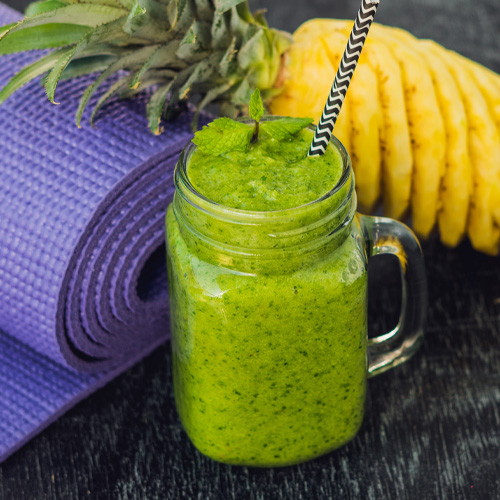
Cool down this summer with our refreshing Pineapple Green Smoothie—packed with tropical flavor and a boost of nutrients. It’s the perfect blend of sweet and energizing to keep you feeling your best all season long!
Ingredients:
- ½ cup unsweetened almond milk
- ⅓ cup nonfat plain Greek yogurt
- 1 cup baby spinach
- 1 cup frozen banana slices (about 1 medium banana)
- ½ cup frozen pineapple chunks
- 1 tablespoon chia seeds
- 1-2 teaspoons pure maple syrup or honey (optional)
Add almond milk and yogurt to a blender, then add spinach, banana, pineapple, chia seeds and sweetener (if using); blend until smooth.

Tips for Planting a Potted Herb Garden
Have you been wanting to get into gardening, but don’t have the yard space? Consider planting a potted herb garden!
Container gardening is easy, convenient, and leaves you with a supply of beautiful fresh herbs. Almost any herb can be grown in a container, so the possibilities are endless!
Here are a few tips and tricks to ensure your potted herb garden is successful this spring:
1. Be mindful of what you plant.
One of the exciting things about a potted herb garden is that you can grow as many different types of herbs as you want in the same container. However, before you start planting, be sure to do some research on the sun, water, and soil requirements of each herb.
For example, rosemary prefers hot and dry conditions, whereas parsley requires consistent moisture. As a result, they would not get along in the same pot.
2. Choose the right container.
As long as it has good drainage, you can use almost anything as an herb container. However, it’s important to be aware that using smaller pots means you need to be extra cautious in how much you water your herbs. Too much or too little water can be especially detrimental to an herb in a small pot.
3. Use high quality soil.
The best way to ensure a healthy start to your container garden is by using high quality soil. Container soil should be lighter in density than traditional garden soil. You can also add organic matter, like perlite or peat moss, to the mixture to improve drainage and moisture retention.
We hope you’re feeling ready to get started on your potted herb garden this spring. Remember to have fun and good luck!

June Word Scramble
awelwmrno
gyaubdl
mapdloi
wohessr
efalitsv
rnidarsop
Answer Key
lawnmower
ladybug
diploma
showers
festival
raindrops
Follow us on Social Media!
Share the Love
Had a great experience at Beyond Therapy and Wellness? We’d love to hear from you! Leave us a review and share how our team helped you get back to feeling your best. Your feedback not only helps us grow but also guides others on their journey to better health!

Thank You for Subscribing to Beyond Therapy and Wellness!
Our Patients Get Great Results
“Gina at Beyond Therapy and Wellness is amazing! She is very knowledgeable about lymphedema and provides excellent Manual Lymphatic Drainage. The location is easy to get to, clean and beautiful. Strongly recommend their services for lymphedema treatment!”
-L.S.