
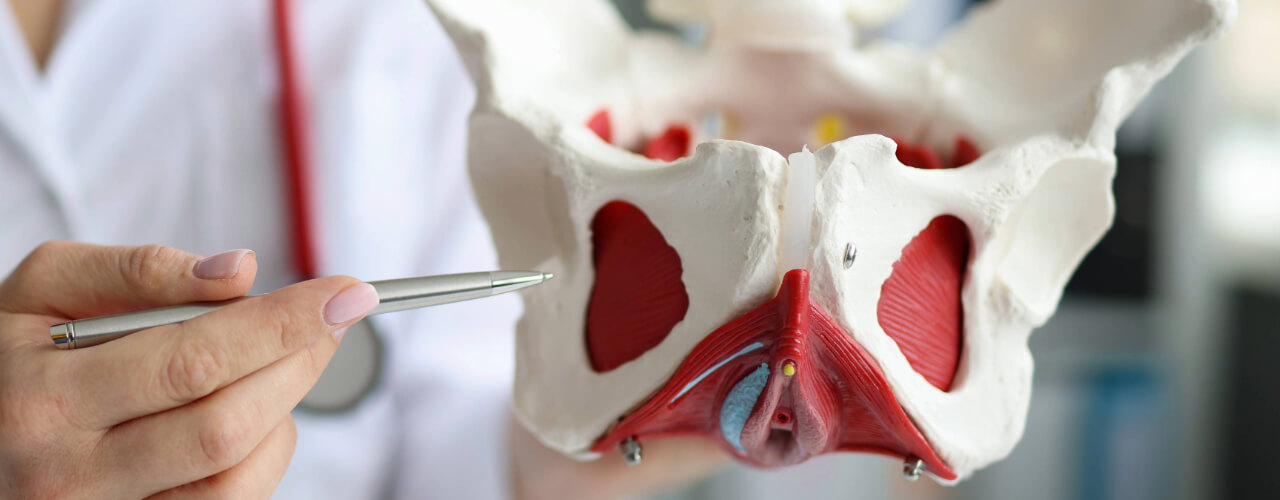
Does it ever feel like your pelvic area is heavy or full? Are you experiencing lower back or pelvic pain, particularly during intercourse? If so, you may have developed a pelvic organ prolapse, a condition that affects primarily women. Pelvic organ prolapse causes can vary, but Beyond Therapy and Wellness is here to help you address them!
Pelvic organ prolapse happens when the muscles and connective tissues in the pelvic floor weaken, allowing organs like the bladder or uterus to descend into the vaginal canal (in women) or rectum (in men, although that’s much more rare).
While pelvic organ prolapse can vary in severity, it often leads to symptoms that affect daily life, such as pressure, discomfort, and difficulty with bowel or bladder control. Fortunately, you can minimize the likelihood of developing pelvic organ prolapse by understanding the various factors that can contribute to pelvic organ prolapse.
Five Common Pelvic Organ Prolapse Causes
1. Childbirth and Pregnancy
Pregnancy and vaginal delivery are some of the most common pelvic organ prolapse causes. During pregnancy, the weight of the growing baby places pressure on the pelvic floor muscles, causing them to weaken. The strain of labor and vaginal delivery can also stretch and weaken these muscles, increasing the likelihood of prolapse later in life.
2. Aging and Menopause
As women age, the body undergoes natural changes, including reduced estrogen levels during menopause. Estrogen is essential for maintaining muscle strength and elasticity, particularly in the pelvic region. The loss of estrogen can weaken the pelvic floor, making it more susceptible to prolapse.
3. Chronic Straining or Heavy Lifting
Repeatedly lifting heavy objects or straining your pelvic muscles while exercising can place excessive pressure on the pelvic floor. Over time, this can weaken the muscles and lead to prolapse.
4. Surgery or Hysterectomy
Surgeries in the pelvic area, particularly hysterectomy (removal of the uterus), can disrupt the support structures of the pelvic organs. Without proper muscle support, organs may shift and cause prolapse.
5. Genetic Factors
Some women may have a genetic predisposition to developing pelvic organ prolapse. If your family has a history of prolapse, you may be at a higher risk of experiencing it yourself.
Addressing Pelvic Organ Prolapse with Physical Therapy
Do these factors put you at a high risk of developing pelvic organ prolapse? Physical therapy is a proven, non-invasive approach to managing the condition. Our physical therapists can help you strengthen your pelvic floor muscles and reduce symptoms, preventing the prolapse from worsening.
We pull from several techniques when creating our personalized treatment programs. These programs might include targeted pelvic floor exercises, postural corrections to reduce pressure on the pelvic floor, and various lifestyle modifications that help you avoid straining your pelvic floor.
By understanding the pelvic organ prolapse causes, you can take proactive steps to manage the condition and improve your quality of life. Don’t wait—reach out to Beyond Therapy and Wellness and empower yourself with the care you deserve!