
You’ve made your way through pregnancy and childbirth, and you’re so excited to spend time with your new baby! But then you notice a strange bulge along the middle of your abdomen, and you struggle to pick up any remotely heavy objects. What you need are some tips for managing diastasis recti.
But what exactly is diastasis recti? This intimidating name refers to the separation of the left and right sides of the rectus abdominis–aka your “six-pack” muscles. This separation creates a gap that weakens the core, a group of muscles that helps you move and keeps your spine stable.
Diastasis recti is a relatively common condition that can occur during or after pregnancy. At Beyond Therapy and Wellness, we regularly work with new moms who’ve developed that split, helping them to safely strengthen their core and address other side effects.
Today, we want to share five of our favorite tips for managing diastasis recti. Keep reading to learn more!
But First: Understanding the Symptoms of Diastasis Recti
Managing diastasis recti effectively starts with recognizing the symptoms. Here’s what to watch out for:
- A visible gap or bulge along the midline of the abdomen
- Weakness in the core muscles
- Lower back pain
- Poor posture
- Difficulty lifting objects or performing everyday tasks
If you notice these symptoms, contact the team at Beyond Therapy and Wellness. We’ll help you develop a personalized program to alleviate discomfort and improve your function.
Five Tips for Managing Diastasis Recti Symptoms
1. Practice Core-Safe Exercises
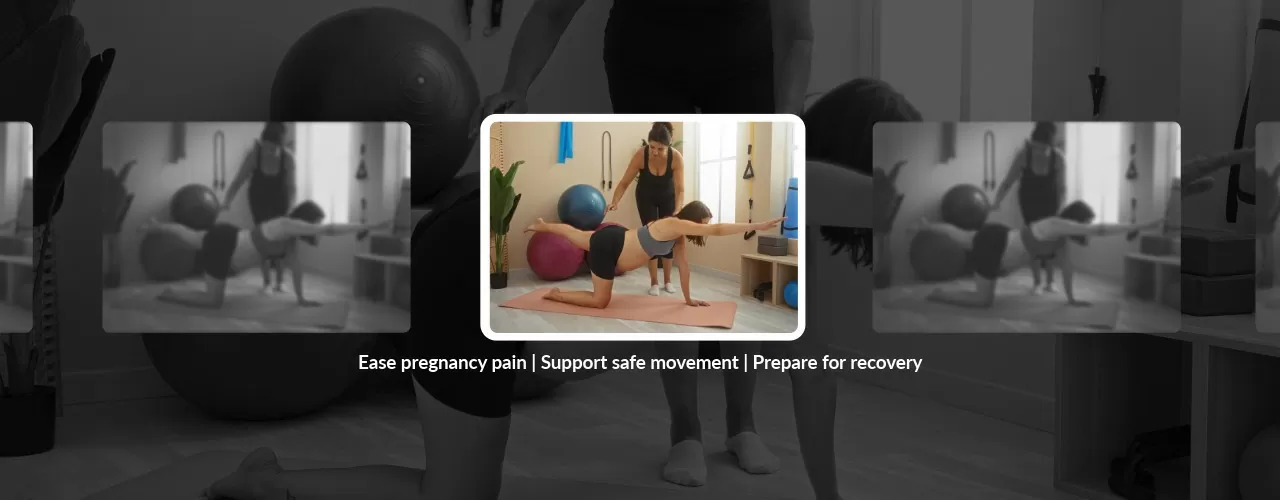
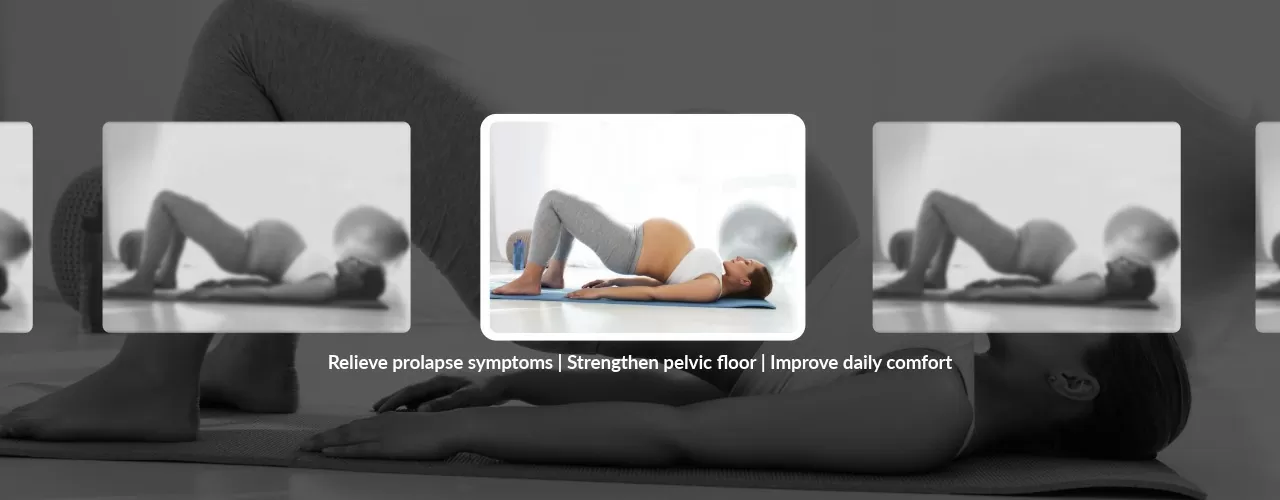
It’s important that you engage in exercises that strengthen your deep abdominal muscles without putting too much pressure on your rectus abdominis. Our team can help you find the best exercises for your needs, such as pelvic tilts or modified planks. However, you want to avoid any classic “six-pack” exercises (like crunches or sit-ups), as these can worsen the condition.
2. Focus on Breathing Techniques
Diaphragmatic breathing plays a vital role in managing diastasis recti, as it helps ensure you’re engaging the correct muscles and avoiding unnecessary strain. What is diaphragmatic breathing? Basically, when breathing in, you expand your diaphragm rather than your belly. Our team can guide you through these breathing exercises to ensure you perform them correctly.
3. Maintain Proper Posture
Good posture can reduce pressure on your abdominal muscles and support rehabilitation. However, it’s important to recognize that good posture isn’t just about standing up straight! Instead, it’s about keeping your spine in alignment and adequately engaging your core. We can assess your posture and offer personalized tips to improve it.
4. Wear Supportive Garments
Supportive abdominal binders or wraps can provide additional support to weakened core muscles, helping alleviate discomfort and stabilizing the core as you heal.
5. Visit Beyond Therapy and Wellness
You don’t have to manage diastasis recti on your own. Our team of physical therapists have extensive knowledge and training in women’s health issues, making us an ideal choice for helping you rehabilitate. We can assess the extent of the separation, guide you through a customized exercise program, and help you avoid movements that could aggravate your symptoms.
Take the First Step in Managing Your Diastasis Recti
Diastasis recti can be frustrating, but you can manage the condition and improve your quality of life through a combination of targeted exercises, lifestyle adjustments, and professional support. Schedule an appointment at our Bedford, TX clinic today to get started!