

Build Strength and Function After Surgery
Surgery may address an injury or health condition, but the procedure itself is only one part of returning to the activities you value. Pain, swelling, weakness, stiffness, and reduced endurance can make movement feel unfamiliar afterward. At Beyond Therapy and Wellness, post-surgical rehabilitation in Bedford, TX provides personalized support as you work toward restoring movement, strength, and everyday function.
Recovery can come with plenty of questions. Your physical therapist helps you understand what to work on now, what precautions need to be respected, and how your rehabilitation can progress as your body recovers.
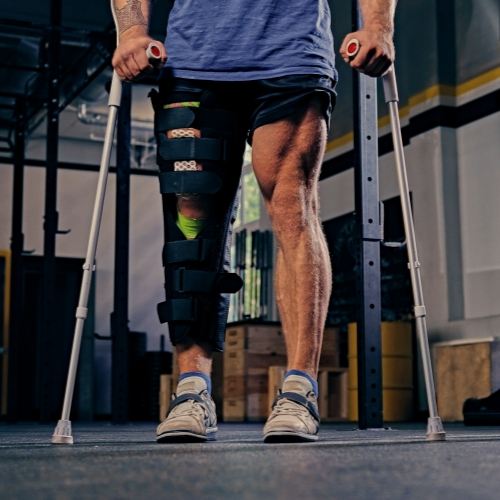
Why Is Rehabilitation Important After Surgery?
Surgery and the period surrounding it can temporarily change how you move. Muscles may become weaker. Joints may feel stiff. Swelling can limit movement, and activities you previously completed without much thought may suddenly require extra effort.
Your rehabilitation needs depend on the procedure you had, your health, your surgeon’s recommendations, and the activities you hope to regain.
Post-surgical rehabilitation helps address these changes while respecting the healing process. Physical therapy may be recommended after procedures involving the:
- Shoulder
- Elbow
- Wrist or hand
- Spine
- Hip
- Knee
- Ankle or foot
- Muscles, tendons, or ligaments
- Nervous system
What Challenges Can Occur After Surgery?
The early stages of recovery may look very different from later rehabilitation. Initially, getting around your home or completing basic daily tasks may be your biggest concern. Later, your goals might shift toward work, exercise, recreation, or more physically demanding activities.
Your therapist considers where you are in your recovery and what your body is currently ready to do.
Common challenges after surgery can include:
- Pain or soreness
- Swelling
- Joint stiffness
- Muscle weakness
- Reduced endurance
- Difficulty walking
- Changes in balance
- Trouble using an arm or leg normally
- Difficulty with stairs or transfers
- Reduced ability to complete work or household tasks
- Hesitation about using the surgical area
A Plan That Respects Your Surgery and Your Goals
Post-surgical rehabilitation requires balance. Healing tissues need protection, but your body also needs appropriate movement and progressive physical challenges to regain function.
At Beyond Therapy and Wellness, your therapist reviews the information available about your surgery, including precautions or rehabilitation guidelines provided by your surgeon. We then consider your current movement, strength, symptoms, and functional abilities.
Your goals are part of that discussion from the beginning.
Maybe you want to walk independently again. You may need to return to a physically demanding job, care for your family, get back to the gym, or resume a favorite recreational activity. Your rehabilitation can gradually prepare you for the specific demands waiting for you outside the clinic.
What Does Post-Surgical Physical Therapy Include?
Treatment changes as your body heals. Your therapist can progress your program when appropriate rather than asking you to complete the same routine throughout recovery.
We explain how each part of treatment connects to your recovery. Knowing why you are doing something can make it easier to take an active role in your rehabilitation.
Depending on your procedure and stage of rehabilitation, treatment may include:
- Mobility exercises to restore appropriate movement while respecting surgical precautions.
- Strengthening exercises to rebuild muscles affected by surgery, injury, or reduced activity.
- Progressive loading to gradually prepare healing tissues for greater physical demands.
- Balance training when surgery or inactivity has affected your stability.
- Walking and gait training to improve safety, confidence, and movement after lower-body procedures.
- Functional training to practice tasks such as getting out of a chair, climbing stairs, reaching, lifting, or carrying.
- Manual therapy when appropriate to address certain joint or soft tissue restrictions.
- Movement retraining to help you use the recovering area effectively during everyday activities.
- Education about precautions, activity progression, and your home exercise program.
Recovery Does Not Follow One Exact Schedule
It is natural to wonder when you will feel normal again. You may even find yourself comparing your progress with someone who had a similar procedure.
But surgery is not the only factor that influences recovery. Your starting level of function, overall health, type of procedure, healing response, physical demands, and personal goals can all affect rehabilitation.
That is why we pay attention to what your body is showing us rather than relying only on the calendar.
Progress may mean moving your joint more comfortably, walking with less assistance, performing an exercise with greater control, or completing a daily task that was difficult before. These improvements help your therapist determine when and how to introduce the next challenge.
Regaining Confidence in the Surgical Area
After surgery, it can be difficult to know the difference between an appropriate challenge and doing too much. You may worry about damaging the repair or become hesitant to use the area normally.
Your therapist can help take some of that uncertainty out of recovery.
One-on-one treatment at Beyond Therapy and Wellness allows your therapist to closely observe your movement and hear how your body responds between appointments. We can answer questions, make adjustments, and help you understand which sensations may be expected and which should be discussed with your surgeon or another medical provider.
As you safely accomplish more, you can begin rebuilding trust in the recovering part of your body.
Support for the Person Behind the Procedure
Surgery can affect more than a joint or muscle. Depending on the procedure, you may temporarily need help with personal care, household responsibilities, transportation, work, or other parts of your normal routine. Losing some of that independence can be frustrating.
Our therapists recognize the person behind the surgical diagnosis. We approach rehabilitation with patience, respect, and an understanding that recovery can have difficult days as well as encouraging ones.
At Beyond Therapy and Wellness, you have a partner who listens to what is changing and helps keep your treatment connected to the life you want to return to.
Your Progress Matters
Hear from patients about their experience

-
 Back to a Pain-Free Life
I love the therapists at Beyond therapy & they have been instrumental in my physical therapy journeys. My initial visits with them was for a broken tailbone. Multiple doctors told me I would need to live with the pain. But…
–
Melissa Y.
-
The Best of Massage & PT
I received excellent care from Gina, my physical therapist. She’s very knowledgeable and helped me recover my range of motion after many surgeries.
–
Lisa C.


Frequently Asked Questions
The appropriate time to begin depends on the procedure and your surgeon’s recommendations. Some rehabilitation programs begin soon after surgery, while others require a period of protection before certain movements or exercises are introduced. Follow your surgical team’s instructions, and make sure your physical therapist knows about any precautions.
Some soreness or discomfort can occur as you begin moving and strengthening after surgery. However, rehabilitation should respect your healing tissues and surgical precautions. Tell your therapist how you feel during and after exercise so your program can be adjusted appropriately.
Recovery rates vary considerably. Your therapist can reassess your strength, mobility, symptoms, and function to identify what is improving and what may need a different approach. If your progress or symptoms raise concerns, your therapist may also recommend communicating with your surgeon or another member of your medical team.
Prepare for What Comes Next
Post-surgical rehabilitation is ultimately about helping your body handle more again. As strength, mobility, and control improve, treatment can increasingly reflect the demands of your everyday activities.
Contact Beyond Therapy and Wellness to schedule an evaluation for post-surgical rehabilitation in [all-oo-town-nolink]. Our team will work with you and your surgical guidelines to create a personalized plan focused on restoring function and helping you move forward with greater confidence.
Your Next Steps…
- Request An Appointment
- Receive A Custom Treatment Plan
- Work Hard and Progress In Your Recovery
- Recover & Enjoy Life Pain-Free