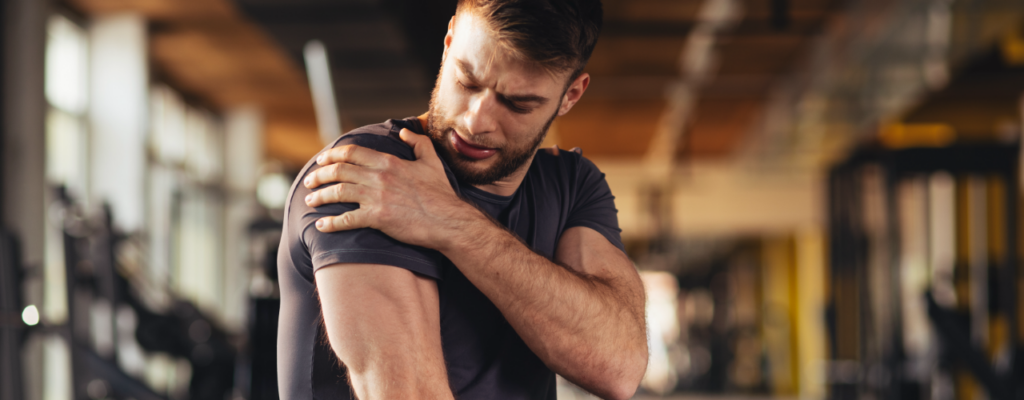
Restore Strength and Confidence in Your Shoulder
Reaching into a cabinet, putting on a shirt, carrying groceries, exercising, or sleeping on your side can become difficult when your shoulder hurts. If a rotator cuff injury is involved, you may also notice weakness that makes lifting or reaching feel less reliable. At Beyond Therapy and Wellness, we provide individualized physical therapy for rotator cuff injuries in Bedford, TX to help you improve shoulder function and return to the activities that matter to you.
A rotator cuff diagnosis does not tell us everything about what your shoulder can do. Your therapist will look at your symptoms, strength, movement, and goals to determine what your shoulder needs.

What Is the Rotator Cuff?
The rotator cuff is a group of four muscles and their tendons that surround the shoulder joint. These muscles help keep the upper arm bone controlled within the shoulder socket while you lift, reach, rotate your arm, and perform other movements.
Rotator cuff problems can develop suddenly after an injury or gradually as the shoulder responds to repeated physical demands.
Age-related changes in rotator cuff tendons are also common. Some people have a rotator cuff tear without significant pain or loss of function. For this reason, imaging findings should be considered alongside your symptoms and physical examination.
Common rotator cuff conditions include:
- Rotator cuff strains
- Tendon irritation or tendinopathy
- Partial rotator cuff tears
- Full-thickness rotator cuff tears
- Rotator cuff injuries associated with a fall or other trauma
- Weakness following a previous shoulder injury
- Rotator cuff problems related to repeated overhead activity
What Does a Rotator Cuff Injury Feel Like?
Symptoms depend on which tissues are involved and how the shoulder responds to movement and physical demands.
Some people gradually stop using the painful arm as much. While temporary activity changes may be helpful, avoiding shoulder movement for too long can contribute to weakness and make returning to normal activities more difficult.
You may notice:
- Pain around the shoulder or upper arm
- Discomfort when reaching overhead
- Pain when reaching behind your back
- Weakness while lifting or carrying objects
- Difficulty raising your arm
- Pain during pushing or pulling movements
- Discomfort when lying on the affected shoulder
- Difficulty with work or household tasks
- Reduced ability to exercise or play sports
Your Shoulder Is More Than an MRI Finding
Being told that you have a rotator cuff tear can sound alarming. You may immediately wonder whether your shoulder is damaged beyond repair or whether surgery is your only option.
The full picture is often more complex. At Beyond Therapy and Wellness, your therapist considers imaging results when they are available, but we also pay close attention to what your shoulder can currently do. We may evaluate your mobility, strength, coordination, and ability to perform movements related to your everyday activities.
We also want to know what you need from your shoulder. The physical demands of caring for a child may be different from those involved in gardening, working overhead, swimming, or returning to the gym.
Those details help us build a plan around function rather than treating an image alone.
How Can Physical Therapy Help With Rotator Cuff Injuries?
Many rotator cuff conditions can be managed with nonsurgical care, depending on the type of injury, symptoms, functional limitations, and other individual factors. Physical therapy focuses on helping the shoulder gradually tolerate the movements and loads your life requires.
As your abilities improve, your exercises can become more demanding. This gradual progression helps bridge the gap between basic rehabilitation and the activities you actually want to perform.
Your treatment may include:
- Progressive strengthening to improve the capacity of the rotator cuff and surrounding shoulder muscles.
- Mobility exercises to maintain or improve comfortable shoulder movement.
- Scapular strengthening to improve the strength and control of muscles around the shoulder blade.
- Movement retraining to improve coordination during reaching, lifting, pushing, pulling, and other tasks.
- Manual therapy when appropriate to address joint or soft tissue restrictions that may be limiting movement.
- Activity modification to reduce unnecessary irritation while keeping you appropriately active.
- Functional exercise to prepare your shoulder for household, work, recreational, or caregiving tasks.
- Sport-specific exercise when your goals involve throwing, swimming, lifting, or other demanding shoulder activities.
- Education and home exercise to help you understand how to safely use and progressively challenge your shoulder.
Finding the Right Amount of Challenge
Shoulder rehabilitation is rarely about avoiding every movement that causes discomfort. It is also not about forcing your way through significant pain.
Your therapist can help you find an appropriate middle ground. You may begin with movements and resistance your shoulder handles well. From there, we can progressively increase the challenge based on your symptoms, strength, and functional goals.
One-on-one care at Beyond Therapy and Wellness allows your therapist to watch how you perform each movement and make adjustments when needed. We want you to understand what your shoulder is ready for and how to recognize when an activity may need to be modified.
What If I Have a Rotator Cuff Tear?
A rotator cuff tear does not automatically mean that surgery is required. Factors such as the type of tear, how the injury occurred, your level of weakness, your overall health, and your functional needs can all influence treatment decisions.
Some people improve their function with physical therapy and other nonsurgical care. Other injuries may require evaluation by an orthopedic specialist or surgical treatment.
Your therapist will be straightforward with you about what we find. If your symptoms or examination suggest that additional medical evaluation is appropriate, we will help you understand that next step.
Providing good care sometimes means helping you progress in physical therapy. Other times, it means recognizing when you need another member of the healthcare team.
Build a Shoulder That Can Meet Your Daily Demands
The goal of rotator cuff rehabilitation is not simply to perform exercises well in the clinic. It is to help your shoulder become more prepared for your life.
At Beyond Therapy and Wellness, we measure progress against what matters to you. That could mean reaching overhead without hesitation, lifting something you need for work, sleeping more comfortably, returning to strength training, or playing a favorite sport again.
Your therapist will listen to what is changing and adjust your program as your abilities grow. With clear guidance and a plan that reflects your goals, you can take an active role in rebuilding your shoulder function.
Frequently Asked Questions
Some rotator cuff tears can be successfully managed without surgery even if the structural tear itself remains present. Physical therapy can improve strength, movement, and function around the shoulder. Whether nonsurgical treatment is appropriate depends on factors such as the type of tear, symptoms, weakness, how the injury occurred, and your individual goals.
Complete avoidance of shoulder movement is not usually necessary unless a healthcare provider has given you specific restrictions. Temporarily modifying painful or demanding activities may help, while appropriate movement and progressive strengthening can support recovery. Your therapist can help determine what your shoulder is ready to tolerate.
There is no single answer based on pain or imaging alone. Your healthcare team may consider the size and type of injury, whether it occurred suddenly, your strength and function, your age and health, and the demands you place on your shoulder. A physical therapist can identify functional limitations and help determine when further orthopedic evaluation may be appropriate.
Take the Next Step Toward Better Shoulder Function
A rotator cuff injury can make you question movements you once completed automatically. Understanding the problem and progressively rebuilding strength can help you move forward with greater confidence.
Contact Beyond Therapy and Wellness to schedule an evaluation for a rotator cuff injury in Bedford, TX. Our team will take the time to understand your symptoms, explain your options, and develop a treatment plan connected to the activities you want to regain.
Your Next Steps…
- Request An Appointment
- Receive A Custom Treatment Plan
- Work Hard and Progress In Your Recovery
- Recover & Enjoy Life Pain-Free