

Finding a More Comfortable Way to Move Through Your Day
Pelvic pain can affect some of the most basic parts of daily life. Sitting through work, exercising, using the bathroom, sleeping, or participating in intimacy may become uncomfortable or unpredictable.
The pain may feel like aching, pressure, burning, pulling, or sensitivity in the lower abdomen, pelvis, pelvic floor, groin, vaginal or rectal area, hips, or lower back. Symptoms may come and go. They may appear only during certain activities or remain present even when you are resting.
For many people, one of the hardest parts is not understanding why the pain is happening. You may have changed activities, stopped exercising, avoided intimacy, or spent months trying to find a comfortable way to sit without feeling as though you have a clear direction forward.
At Beyond Therapy and Wellness, treatment for pelvic pain in Bedford, TX begins by taking your symptoms seriously and looking at the physical factors that may be contributing. Every therapist specializes in pelvic health, allowing us to consider the pelvic floor alongside your hips, back, abdomen, breathing, movement, and nervous system.
Our goal is not simply to chase the place where you hurt. We want to help you better understand your symptoms and build practical ways to return to the activities that matter to you.
Understanding the Factors That Can Contribute to Pelvic Pain
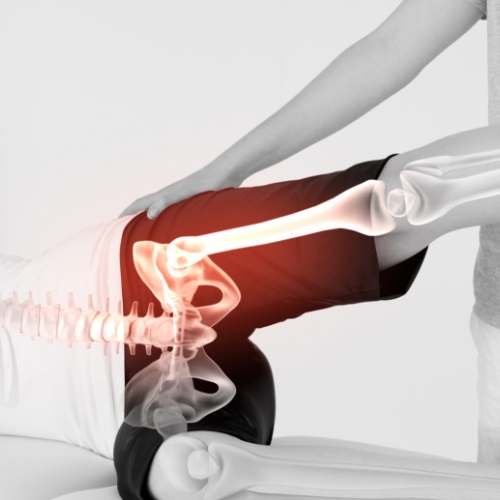
Pelvic pain does not always have one clear cause. The pelvic floor works closely with the muscles of your abdomen, hips, back, and breathing system. The nerves and tissues throughout the pelvis also communicate with the nervous system, which can become more protective when pain has been present for a long time.
Sometimes the pelvic floor muscles become tense because the body is trying to protect a painful area. Over time, that guarding can become part of the problem.
Other people may have difficulty coordinating the pelvic floor with movement, breathing, bowel movements, or bladder function.
Factors that may contribute to pelvic pain include:
- Pelvic Floor Muscle Tension: Muscles that remain tight or guarded may contribute to aching, pressure, burning, or difficulty relaxing.
- Pelvic Floor Coordination: The pelvic floor needs to tighten and release at appropriate times. Poor coordination may influence pain during movement, bathroom use, or intimacy.
- Hip and Lower Back Function: Mobility, strength, or sensitivity around the hips and spine may influence the way physical stress is distributed through the pelvis.
- Abdominal Function: The abdominal muscles and pelvic floor work together during breathing, lifting, exercise, and everyday movement.
- Pregnancy and Childbirth: Pregnancy, vaginal delivery, or Cesarean birth may influence pelvic floor function, scars, strength, mobility, and tissue sensitivity.
- Previous Surgery or Injury: Healing after pelvic or abdominal procedures may affect mobility, scars, muscle guarding, or movement.
- Bladder and Bowel Function: Urgency, constipation, repeated straining, painful bladder conditions, or difficulty emptying may occur alongside pelvic floor symptoms.
- Pain with Intimacy: Pelvic floor muscle tension or sensitivity may contribute to pain during or after sexual activity.
- Nervous System Sensitivity: When pain continues for a long time, the nervous system may become more responsive to signals from the area. This does not mean the pain is imaginary. It means the body’s protective system may be contributing to how strongly symptoms are felt.
Some pelvic pain is related to medical conditions outside physical therapy scope. Endometriosis, infections, gastrointestinal conditions, gynecological concerns, bladder disorders, or other health issues may also contribute.
Physical therapy can address musculoskeletal and pelvic floor factors while working alongside appropriate medical care when needed.
When Pelvic Pain Starts Changing the Way You Live
Pelvic pain can gradually influence more of your day. You may begin sitting differently at work, avoiding tighter clothing, skipping exercise, or standing instead of sitting because pressure feels uncomfortable. A long drive or plane ride may seem difficult because you are worried about being in one position too long.
Bathroom habits may change too. You may strain because the pelvic floor will not relax or repeatedly use the bathroom because urgency feels difficult to ignore.
For some people, intimacy becomes stressful. You may anticipate pain before it happens, avoid certain activities, or worry about how symptoms are affecting your relationship.
New, severe, or unexplained pelvic pain should receive appropriate medical evaluation. Your therapist can help recognize when another healthcare provider should also be involved.
A pelvic health evaluation may be helpful if you experience:
- Aching, burning, pressure, pulling, or sensitivity in the pelvic region.
- Pain in the lower abdomen, groin, vaginal, rectal, or perineal area.
- Pelvic pain with prolonged sitting.
- Discomfort during or after exercise.
- Pain during or after intimacy.
- Pain with tampon use or pelvic examinations.
- Pelvic discomfort during bowel movements.
- Constipation or difficulty relaxing to empty your bowels.
- Urinary urgency, frequency, or bladder discomfort.
- Hip or lower back discomfort that occurs alongside pelvic symptoms.
- Pain after pregnancy, childbirth, pelvic surgery, or abdominal surgery.
- Symptoms that limit work, sleep, travel, exercise, relationships, or social activities.
- Fear of movement because you are worried about making the pain worse.
A Treatment Strategy That Matches Your Symptoms
Pelvic pain treatment should not begin with the assumption that your pelvic floor is weak. For many people with pain, the muscles are already tense or guarded. Asking them to repeatedly contract may not address the problem and could make relaxation more difficult.
At Beyond Therapy and Wellness, treatment is based on what your evaluation shows and how your symptoms affect your life.
The aim is not to eliminate every sensation before you return to life. We want to help your body become more comfortable with movement and give you practical strategies for participating in activities with less fear and hesitation.
Your plan may include:
- Pelvic Floor Relaxation: Learning to recognize and reduce unnecessary muscle tension when guarding or overactivity contributes to pain.
- Pelvic Floor Coordination: Practicing how to engage and release the muscles appropriately during breathing, movement, bathroom use, or other activities.
- Breathing Training: Using relaxed breathing to improve coordination between the diaphragm, abdomen, and pelvic floor and reduce unnecessary bracing.
- Manual Therapy: Hands-on techniques may be used when appropriate to address sensitive muscles, restricted tissues, scars, or mobility limitations.
- Hip and Spine Mobility: Gentle movement may help when stiffness or guarding around the hips or back influences pelvic symptoms.
- Therapeutic Exercise: Individualized strengthening can improve hip, abdominal, and whole-body capacity without overwhelming sensitive areas.
- Movement Retraining: Activities that currently cause pain can be modified and gradually progressed as your tolerance improves.
- Bladder and Bowel Strategies: Education about urgency, constipation, positioning, relaxation, and straining may be useful when bathroom symptoms are part of the problem.
- Desensitization Strategies: Gradual exposure to comfortable movement or touch may help when tissues or the nervous system have become highly protective.
- Activity Pacing: Learning how to balance movement, rest, and activity can help reduce the cycle of doing too much on a good day and avoiding activity after a flare.
- Patient Education: Understanding why pain may persist and what factors you can influence can help replace uncertainty with more useful choices.
- Home Strategies: A manageable program gives you ways to practice relaxation, movement, and self-management between visits.
Care That Makes Space for the Full Impact of Pelvic Pain
Pelvic pain can be difficult to explain to people who have never experienced it. You may look healthy while sitting through discomfort at work. You may quietly avoid intimacy, exercise, travel, or social activities because symptoms are difficult to predict.
Some patients have also spent a long time being told that tests look normal or that there is no obvious reason for their symptoms.
At Beyond Therapy and Wellness, we believe pain deserves thoughtful attention even when the explanation is not simple.
Our therapists specialize in pelvic health and understand that these conversations can involve subjects that feel private or vulnerable. Your one-on-one appointments give you time to explain what you are experiencing without being rushed.
We also want you to feel believed without making promises we cannot support.
Pelvic pain may involve several systems, and progress is rarely about finding one technique that fixes everything. We will explain what physical therapy can address, listen to how you respond, and adjust your plan as we learn more about what helps you.
Meaningful progress may be sitting through work more comfortably, sleeping better, returning to exercise, having easier bowel movements, participating in intimacy with less fear, or simply spending less of your day thinking about your pelvis.
What to Expect During Your Pelvic Pain Evaluation and Plan of Care
Your first visit is an opportunity to tell us what your pain feels like and how it affects your life.
Your therapist may ask about:
- Where and when you experience pain.
- Activities or positions that increase symptoms.
- How long symptoms have been present.
- Bladder and bowel function.
- Pain with intimacy.
- Pregnancy or childbirth history when relevant.
- Previous surgeries, injuries, or medical treatment.
- Exercise and activity levels.
- Hip or back symptoms.
- Strategies you have already tried.
- The activities you most want to return to.
Your physical assessment will be based on your symptoms and comfort.
It may include:
- Breathing and abdominal coordination.
- Hip and lower back mobility.
- Hip and core strength.
- Functional movement.
- Areas of muscle guarding or sensitivity.
- Scar mobility when relevant.
- Pelvic floor relaxation, coordination, strength, and tenderness.
An internal pelvic floor examination may provide useful information for some people with pelvic pain, particularly when muscle tension, tenderness, or difficulty relaxing may be contributing. It is never automatically required.
If your therapist believes an internal assessment would help guide treatment, she will explain what she hopes to learn and what the examination involves. You can ask questions, decline any portion of the assessment, or stop at any time. Your comfort and consent guide the process.
From there, we establish goals together. You may want to sit through your workday, return to running or strength training, travel more comfortably, use the bathroom without pain, sleep better, or participate in intimacy without anticipating discomfort.
Your plan can be adjusted as your symptoms change. We will regularly look at what is improving, what remains difficult, and how treatment can continue moving toward the activities that matter to you.
Your Progress Matters
Hear from patients about their experience

-
 My Comfort Came First
I couldn’t recommend Dr. Kristi enough! She has helped me so so much with my severe pelvic pain caused by endometriosis. She is very knowledgeable, and she cares. Every time I go to her, she makes me feel so comfortable…
–
Aubrianna E.
-
I Wish I'd Come in Sooner
I started coming when I was around 20 weeks pregnant because I was experiencing horrific pelvic & hip pain. I honestly wish I came in sooner because it’s been absolutely life-changing and I can live a more normal life again…
–
Asia K.


Frequently Asked Questions
Yes. The pelvic floor works closely with the hips, abdominal muscles, breathing system, and lower back. Changes in strength, mobility, muscle tension, or movement in one area may influence another. This is why a pelvic pain evaluation often looks beyond the exact location where you feel discomfort.
Not automatically. Many people with pelvic pain have pelvic floor muscles that are already tense or difficult to relax. Repeated strengthening may not be appropriate in that situation. Your therapist can assess whether your muscles need relaxation, coordination, strengthening, or a combination of strategies.
Pelvic pain can have many causes, ranging from muscle tension and movement-related factors to medical conditions that require care from another provider. Pain does not automatically mean there is serious tissue damage, but new, severe, or unexplained symptoms should be medically evaluated. Physical therapy can address pelvic floor and musculoskeletal factors when they are contributing to your symptoms.
Build More Confidence in Movement and Daily Life
Pelvic pain can make you question activities that once felt automatic.
You may start avoiding movement because you are afraid of causing more pain. Over time, that can affect your strength, confidence, relationships, and independence.
At Beyond Therapy and Wellness, pelvic pain treatment in Bedford, TX focuses on helping you understand your symptoms, address physical factors that may be contributing, and gradually return to meaningful activities with greater comfort.
We provide specialized pelvic health care with the time and attention needed to listen carefully, explain your options, and involve you in each decision.
Contact Beyond Therapy and Wellness to schedule your pelvic pain evaluation. Let us help you build a clearer understanding of your body and work toward more comfortable movement, greater confidence, and a fuller daily life.
Your Next Steps…
- Request An Appointment
- Receive A Custom Treatment Plan
- Work Hard and Progress In Your Recovery
- Recover & Enjoy Life Pain-Free