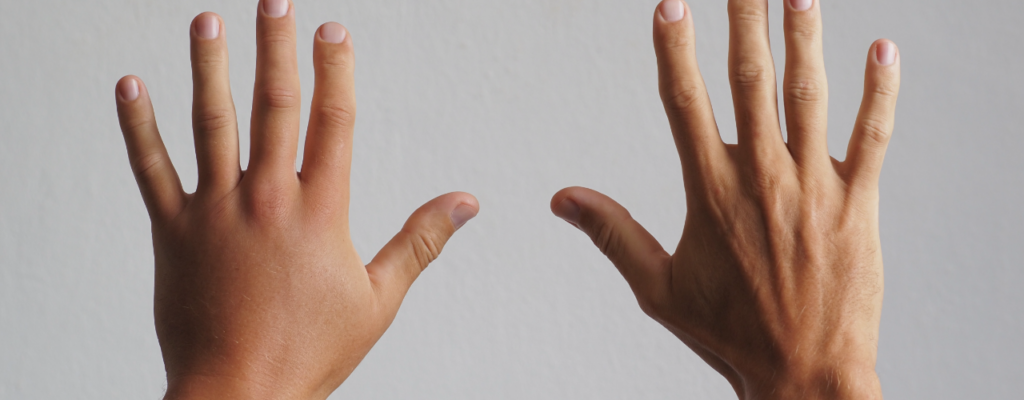
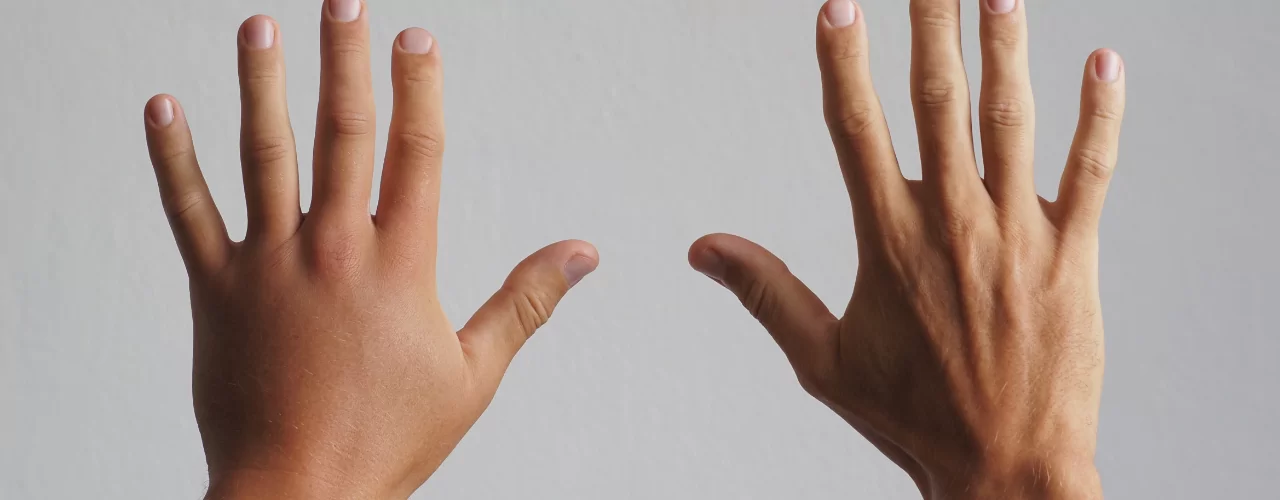
Manage Swelling and Move With Greater Ease
Persistent swelling can make your body feel heavy, tight, or simply different. Clothing may fit differently. Walking, exercising, working, or using an affected arm may require more effort. At Beyond Therapy and Wellness, physical therapy for lymphedema in Bedford, TX focuses on helping you manage swelling, maintain healthy movement, and participate more comfortably in daily life.
Lymphedema can require ongoing management. Our therapists provide one-on-one care so there is time to understand how the condition is affecting you and teach you strategies you can use beyond your appointments.
What Is Lymphedema?
Your lymphatic system is a network of vessels, tissues, and organs that helps move fluid throughout your body and supports immune function. Lymphedema occurs when lymphatic fluid builds up in the tissues because the lymphatic system cannot adequately transport it.
The condition most commonly affects an arm or leg, although swelling can develop in other parts of the body.
Lymphedema may be classified as primary or secondary. Primary lymphedema develops because of differences in how the lymphatic system formed or functions. Secondary lymphedema occurs after the lymphatic system has been damaged or disrupted.
Symptoms may develop gradually. Some people notice changes shortly after a medical treatment or procedure, while others develop lymphedema much later.
Factors associated with secondary lymphedema may include:
- Removal of or damage to lymph nodes
- Radiation treatment
- Cancer and cancer treatment
- Surgery
- Trauma
- Infection
- Other conditions that affect lymphatic function
What Does Lymphedema Feel Like?
Visible swelling is one sign of lymphedema, but it is not the only way the condition can affect you.
Swelling can also fluctuate. Learning to recognize changes in your body and knowing how to respond can become an important part of managing the condition.
Symptoms may include:
- Swelling in part or all of an arm or leg
- A feeling of heaviness or fullness
- Tightness in the skin
- Changes in how clothing, shoes, or jewelry fit
- Reduced joint movement
- Aching or discomfort
- Changes in skin texture
- Difficulty completing everyday activities
- Reduced confidence using the affected area
Lymphedema Care Is About More Than Swelling
A swollen limb may be the most noticeable concern, but treatment also considers what that swelling means for your everyday function. Maybe your arm feels heavy when reaching overhead. Perhaps swelling in your leg makes walking or wearing certain shoes uncomfortable. You may be recovering from cancer treatment and trying to regain strength while also learning how to manage a new physical change.
At Beyond Therapy and Wellness, we want to understand those details. Your therapist can evaluate the affected area along with your mobility, strength, skin condition, and functional abilities. We can then discuss your priorities and create a plan that supports both lymphedema management and the activities that are important to you.
How Can Physical Therapy Help Manage Lymphedema?
Lymphedema management may involve several strategies used together. Your specific treatment depends on your condition, medical history, symptoms, and individual needs.
Your treatment may change over time. The strategies you need when swelling is more difficult to control may be different from those used during long-term management.
Appropriate care may include:
- Compression therapy using properly selected garments or bandaging to help limit fluid accumulation and support lymphatic flow.
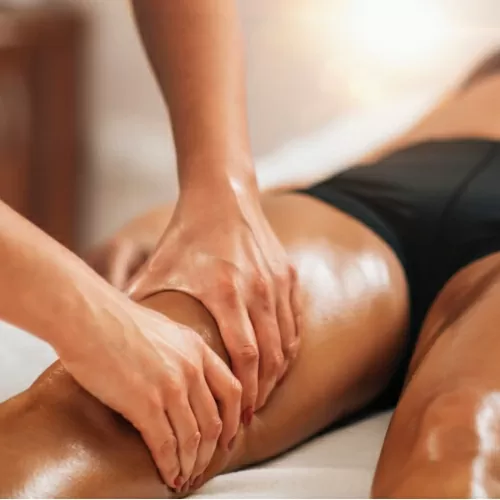
- Manual lymphatic drainage using specialized, gentle hands-on techniques intended to encourage lymphatic fluid movement.
- Therapeutic exercise to use muscle contractions and movement to support circulation, strength, and function.
- Mobility exercises to maintain comfortable movement when swelling or tissue changes cause stiffness.
- Skin care education to help protect the skin and reduce complications associated with lymphedema.
- Self-management training so you understand techniques and daily strategies for managing your condition.
- Functional exercise to improve your ability to complete activities affected by swelling, weakness, or reduced mobility.
- Education to help you recognize changes that may require attention from your therapist or another healthcare provider.
Learning to Manage Lymphedema With Confidence
For many people, lymphedema is a long-term condition. That makes education an especially important part of treatment. You should know what you can do for yourself, why those strategies matter, and what changes deserve attention.
Your therapist may teach you how to use compression appropriately, care for your skin, incorporate movement into your routine, and recognize signs that require medical care. Exercise can also be introduced progressively so you can build strength without unnecessary fear of using the affected area.
Our goal is to help make lymphedema management feel like something you understand and can participate in, rather than a collection of instructions you have to follow without explanation.
Compassionate Care for Changes That Can Feel Personal
Lymphedema can affect how you feel about your body as well as how you move. Swelling after cancer treatment, surgery, or another major health experience may be an unwanted reminder of everything your body has been through.
Those feelings deserve respect.
At Beyond Therapy and Wellness, you work one-on-one with a therapist in a supportive environment where personal concerns can be discussed openly. Our all-female team understands that swelling may overlap with other sensitive issues, particularly after treatment for breast, gynecological, or other cancers.
We listen without judgment and involve you in decisions about your care. You should feel comfortable asking questions and confident that your concerns will be taken seriously.
Supporting the Activities That Matter to You
Successful lymphedema management is not simply about what an affected area looks like. It is also about helping you use your body in the ways your life requires.
That may mean returning to exercise, walking more comfortably, using your arm during work or household tasks, or feeling more prepared to manage swelling independently.
Your therapist can connect treatment to those practical goals while helping you build strength and maintain mobility. Over time, the aim is to give you useful strategies that support both your physical function and your ability to manage the condition.
Your Progress Matters
Hear from patients about their experience

-
 She has taught me how to take care of my body, and has helped me feel empowered.
After having a double mastectomy and reconstruction, I could barely move my arm. I had just been diagnosed with lymphedema also. I was embarrassed with how I looked and frustrated with my lack of motion. Gina and Christy came up…
–
Bridget L.
-
Kind, Caring & Understanding
Mrs. Gina is AWESOME! She is so kind and really cares. I saw her for lymphedema after mastectomy. She took time each visit to just simply ask me how I was doing – she understood the profound effect having your…
–
JR Hamp


Frequently Asked Questions
Exercise is generally an important part of lymphedema management when it is introduced appropriately. Muscle activity can support fluid movement while exercise helps maintain strength, mobility, and overall function. Your therapist can help you gradually increase activity based on your individual needs and response.
Lymphedema is generally considered a chronic condition, but symptoms can often be managed. Compression, exercise, skin care, education, and other appropriate treatments can help control swelling and support long-term function.
Contact a healthcare provider if you notice significant new or rapidly increasing swelling or concerning changes in the affected area. Redness, warmth, increased pain, fever, or flu-like symptoms can be signs of infection and require prompt medical attention.
Get Personalized Support for Lymphedema
Lymphedema can require continued attention, but you do not have to learn how to manage it on your own. The right education, movement strategies, and individualized care can help you take a more active role in managing your symptoms and protecting your function.
Contact Beyond Therapy and Wellness to learn more about physical therapy for lymphedema in Bedford, TX. Our team is here to listen, answer your questions, and help you develop practical strategies for managing swelling and staying active.
Your Next Steps…
- Request An Appointment
- Receive A Custom Treatment Plan
- Work Hard and Progress In Your Recovery
- Recover & Enjoy Life Pain-Free