

Find a More Confident Way to Live and Move With Chronic Pain
Chronic pain can affect nearly every part of daily life. Work, sleep, exercise, household tasks, relationships, and activities you enjoy may all become harder when pain continues. At Beyond Therapy and Wellness, we provide personalized physical therapy for chronic pain in Bedford, TX with care that starts by listening to your experience and understanding how pain is affecting you.
Persistent pain can be complicated, but your symptoms are real. Our goal is to help you better understand what your body is experiencing and find practical ways to improve movement, function, and confidence.
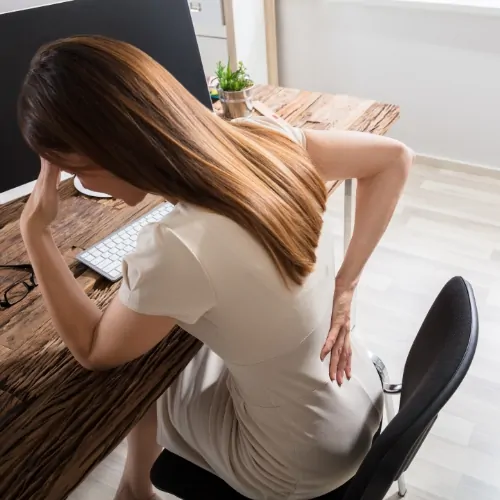
Why Can Pain Continue for So Long?
Pain is your body’s protective response to a perceived threat. After an injury, pain can encourage you to protect an area while it recovers. However, pain does not always disappear as soon as tissues heal.
When pain continues, the nervous system may become more sensitive. Signals that would normally cause little or no discomfort can begin producing a stronger response. This increased sensitivity can contribute to persistent symptoms even when there is no ongoing tissue damage that fully explains the amount of pain you feel.
Understanding these factors does not mean pain is “all in your head.” Pain is a real experience involving your body and nervous system, and it deserves to be taken seriously.
Chronic pain may also be influenced by several overlapping factors, including:
- A previous injury or surgery
- Arthritis or other ongoing health conditions
- Changes in strength or physical conditioning
- Reduced activity
- Nervous system sensitivity
- Poor or disrupted sleep
- Stress and emotional strain
- Fear of movements that have caused pain before
How Chronic Pain Can Change Daily Life
Living with pain for a long time can gradually change what you do.
You may stop exercising because you are worried about making symptoms worse. Household chores may get divided into smaller tasks. You might turn down social activities because you do not know how you will feel that day.
These effects can create a difficult cycle. Pain reduces activity, and less activity can make your body less prepared for the physical demands of everyday life.
Chronic pain may also contribute to:
- Muscle weakness or reduced endurance
- Stiffness after periods of inactivity
- Difficulty walking or standing for longer periods
- Changes in balance
- Trouble completing work or household activities
- Reduced participation in exercise or recreation
- Fear or hesitation with certain movements
- Less confidence in what your body can handle
Your Pain Is Only Part of the Picture
At Beyond Therapy and Wellness, we do not expect your experience to fit neatly into a standard treatment plan.
Your physical therapist will ask about your symptoms, but we also want to understand what pain has changed for you. What activities have become difficult? What have you stopped doing? What would you like to feel comfortable trying again?
Your evaluation may include movement, strength, balance, mobility, endurance, and other areas related to your specific concerns. Together, this information helps us identify where physical therapy may be able to support meaningful change.
You will not be dismissed simply because pain has lasted a long time or because previous tests have not provided all the answers. You deserve to feel heard and believed.
How Physical Therapy Can Help With Chronic Pain
Treatment for chronic pain is not about forcing your body through painful activities. It is about finding an appropriate starting point and gradually building from there.
Your therapist can adjust the plan as your tolerance changes. Progress does not have to look identical from one visit to the next.
Depending on your needs, your plan may include:
- Therapeutic exercise to improve strength, endurance, and overall physical capacity.
- Graded activity to gradually increase your tolerance for movements or tasks that have become difficult.
- Mobility exercises to address stiffness and support comfortable movement.
- Balance and coordination training when pain or reduced activity has affected stability.
- Functional training to practice movements related to work, home responsibilities, recreation, or other personal goals.
- Manual therapy when hands-on care may help support movement and participation in exercise.
- Activity pacing to find a manageable balance between doing too much and avoiding activity altogether.
- Pain education to help you understand how pain works and why symptoms do not always provide a direct measure of tissue damage.
- Home strategies that give you practical ways to continue building your abilities outside the clinic.
Rebuilding Trust in Movement
When movement has hurt repeatedly, avoiding it can feel like the safest choice. You may become cautious about bending, lifting, exercising, or trying activities that once felt normal.
We respect that hesitation.
Rather than asking you to ignore pain or simply push through it, your physical therapist can help you explore movement at a level that feels manageable. As your body adapts, activities can gradually become more challenging.
These experiences can help you learn that your body is capable of more than pain may have led you to believe. The aim is not to promise a life without symptoms. It is to help pain have less control over what you are able and willing to do.
Progress Can Mean More Than a Change in Pain
Pain relief may be one of your goals, but it is not the only way to recognize progress.
Perhaps you can walk farther, sleep more comfortably, complete a full workday, exercise again, or spend time with family without planning everything around your symptoms. Maybe you feel less afraid of a movement that once made you nervous.
At Beyond Therapy and Wellness, those changes matter. One-on-one sessions give your therapist the opportunity to follow what is improving, hear what is still difficult, and adapt your care accordingly.
We want treatment to help you develop greater confidence in your abilities and practical tools you can continue using in your everyday life.
Your Progress Matters
Hear from patients about their experience

-
 Skilled & Knowledgeable
I can’t say enough about all of these girls, from the therapists (Kristi, Emily and Gina) to the front desk/admin (Nicole and Mecca)! Not only are they extremely skilled and knowledgeable with what they do, but each one is unbelievably…
–
Venus T.
-
Back to a Pain-Free Life
I love the therapists at Beyond therapy & they have been instrumental in my physical therapy journeys. My initial visits with them was for a broken tailbone. Multiple doctors told me I would need to live with the pain. But…
–
Melissa Y.


Frequently Asked Questions
Not necessarily. Pain can continue even after an injury has healed because the nervous system may remain sensitive and protective. Your physical therapist can consider your medical history, symptoms, movement, and function to help you better understand factors that may be contributing to persistent pain.
A temporary increase in symptoms does not always mean you have caused new damage. However, your response to exercise is important. Your physical therapist can adjust the type, amount, or intensity of activity and help you gradually determine what your body can tolerate.
Physical therapy may still help you improve strength, mobility, endurance, activity tolerance, and confidence even when pain has been present for a long time. Treatment can focus on the specific activities pain is limiting and gradually help you build greater capacity for them.
Move Forward With Support That Meets You Where You Are
Living with chronic pain can be physically and emotionally exhausting. You deserve care that recognizes the full impact of what you have been experiencing while still giving you reasons to feel hopeful about what can change.
Contact Beyond Therapy and Wellness to schedule an evaluation for chronic pain in Bedford, TX. We will listen to your concerns, help you better understand your symptoms, and work with you toward greater movement, function, and participation in the activities that matter to you.
Your Next Steps…
- Request An Appointment
- Receive A Custom Treatment Plan
- Work Hard and Progress In Your Recovery
- Recover & Enjoy Life Pain-Free