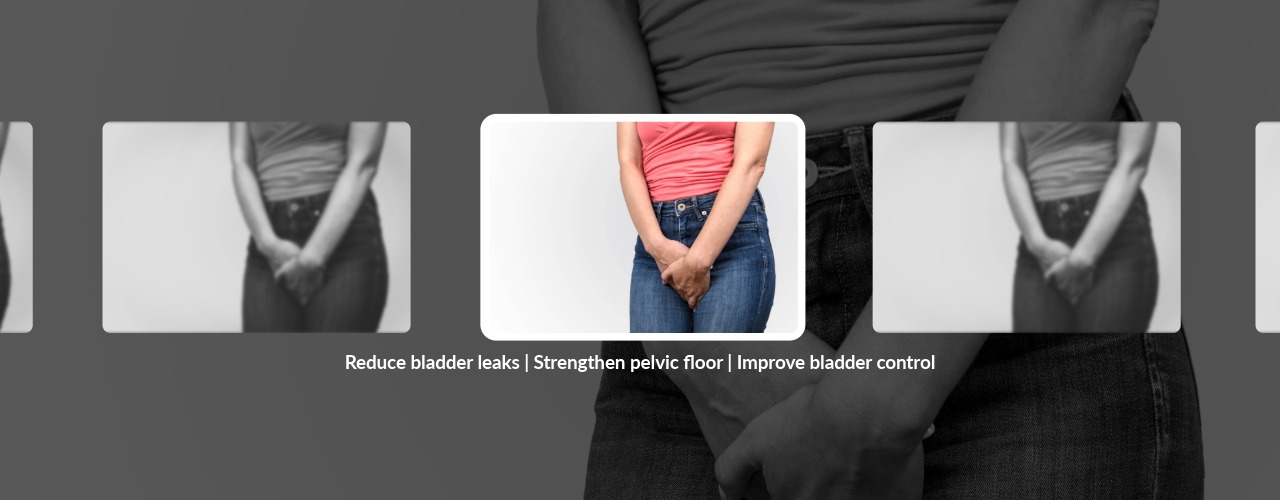
Living with bowel incontinence can feel overwhelming, frustrating, and–let’s face it–embarrassing. Many people delay seeking help because they don’t want to discuss their symptoms and assume there’s nothing to help them anyway. However, this couldn’t be further from the truth. Pelvic floor physical therapy at Beyond Therapy and Wellness in Bedford, TX is one of the most effective options for bowel incontinence treatment, and with the right guidance, you can take steps toward greater comfort and peace of mind.
Six Steps to Addressing Bowel Incontinence with Physical Therapy
Step 1: Recognize the Signs Early
Bowel incontinence is more common than most people realize, but early recognition is key. Signs can include:
- Accidental leakage during daily activities
- Urgent or frequent trips to the bathroom
- Difficulty sensing when a bowel movement is about to happen
- Fear of leaving home due to accidents
Acknowledging these symptoms is the first step toward finding relief. If you notice them often, it is worth seeking support.
Step 2: Seek a Professional Evaluation
Once you recognize your symptoms, it’s time to schedule an appointment at Beyond Therapy and Wellness. Our team provides a discreet, judgment-free space where we can perform a comprehensive evaluation to help:
- Identify the underlying causes, which may include muscle weakness, nerve issues, or scar tissue
- Rule out other medical concerns
- Build a tailored plan to improve bowel control
Step 3: Learn How Physical Therapy Can Help
Pelvic floor physical therapy is one of the most trusted approaches for improving bowel function. Instead of masking symptoms, therapy aims to retrain and strengthen the body. This approach ensures PT is a core part of long-term bowel incontinence treatment.
Your plan may include education on:
- How the pelvic floor muscles work
- Targeted pelvic floor exercises
- The connection between diet, hydration, and bowel health
- Ways to retrain bowel habits for more predictable movements
Step 4: Adopt Daily Habits That Support Comfort
Alongside physical therapy, small changes in daily habits can make a big difference. Several adjustments give the body a better chance to regain balance and support the progress made in therapy. Our team will make the right recommendations for your needs. Examples include:
- Creating consistent bathroom routines
- Tracking food triggers that worsen urgency
- Staying hydrated to avoid constipation
- Practicing relaxation techniques to reduce strain
Step 5: Address Emotional and Lifestyle Concerns
Bowel incontinence can limit social activities, exercise, and overall confidence. Addressing emotional and lifestyle impacts is just as important as addressing physical symptoms. You might consider:
- Joining support groups or talking with a counselor
- Planning ahead when going out, such as knowing restroom locations
- Building self-care habits to reduce anxiety and improve quality of life
Step 6: Commit to a Personalized Plan
No two people experience bowel incontinence the same way. That is why a personalized approach matters. The Beyond Therapy and Wellness physical therapists can guide you through a plan that evolves as you make progress.
Committing to the process is more likely to result in improvements in bowel control, comfort, and confidence. Treatment is not about a quick fix but about long-term support and change.
Take the Next Step Toward Control and Comfort
Bowel incontinence may feel like it controls your life, but it does not have to stay that way. Real improvements are possible with early recognition, professional evaluation, and guidance from physical therapy.
At Beyond Therapy and Wellness, we provide compassionate, personalized care to help you address bowel incontinence treatment in a safe and supportive environment. If you are ready to take back control and feel more comfortable in your daily life, we are here to help! Schedule an appointment to get started.