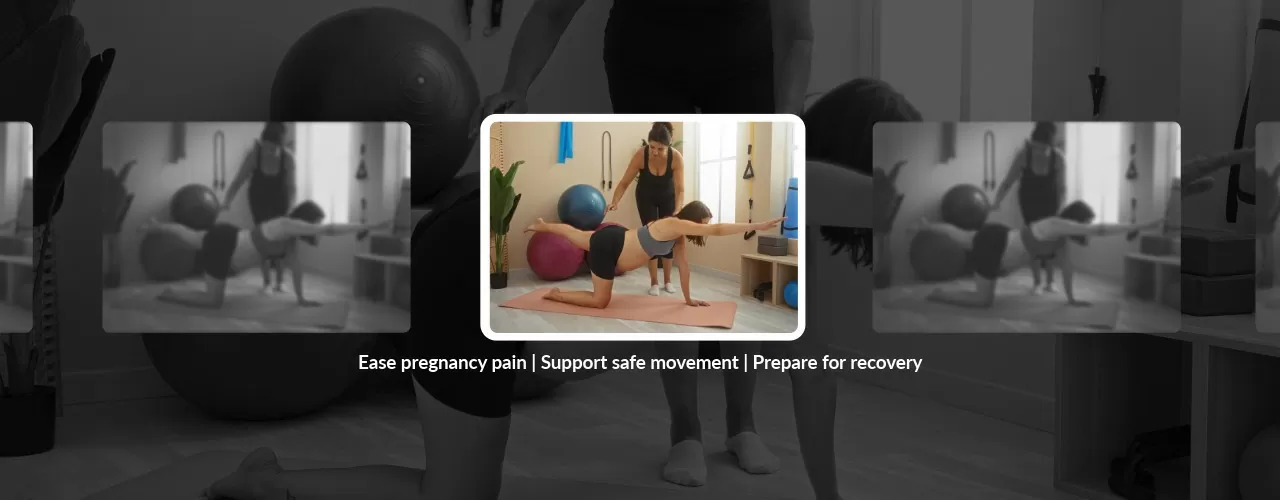
Pregnancy brings joy and excitement, but it can also bring discomfort. Many women experience back pain, pelvic pressure, or joint stiffness as their bodies adapt to growing new life. While these changes are normal, the pain does not have to be. With specialized physical therapy for pregnancy pain, women can find safe, effective ways to stay comfortable and active throughout each stage.
Common Questions About Pregnancy Related Pain
What Types of Pain Are Common During Pregnancy?
- Pregnant women often report discomfort in the lower back, hips, pelvis, and even the neck or shoulders. Hormonal changes loosen ligaments, making joints less stable. The added weight and shifting posture can strain muscles and joints, leading to pain with daily activities. Some women also experience sciatica, round ligament pain, or pressure in the pelvic floor.
Is Physical Therapy for Pregnancy Pain Safe?
- Yes. Specialized physical therapy for pregnancy pain is designed with safety in mind. Therapists trained in women’s health choose gentle, evidence-based techniques that avoid harmful pressure or positions. They focus on exercises that support the spine, pelvis, and hips while reducing strain on ligaments and muscles. Every program is tailored to the stage of pregnancy and individual needs.
How Does Physical Therapy Help During Pregnancy?
Therapists use a variety of tools to ease pain and support healthy movement, including:
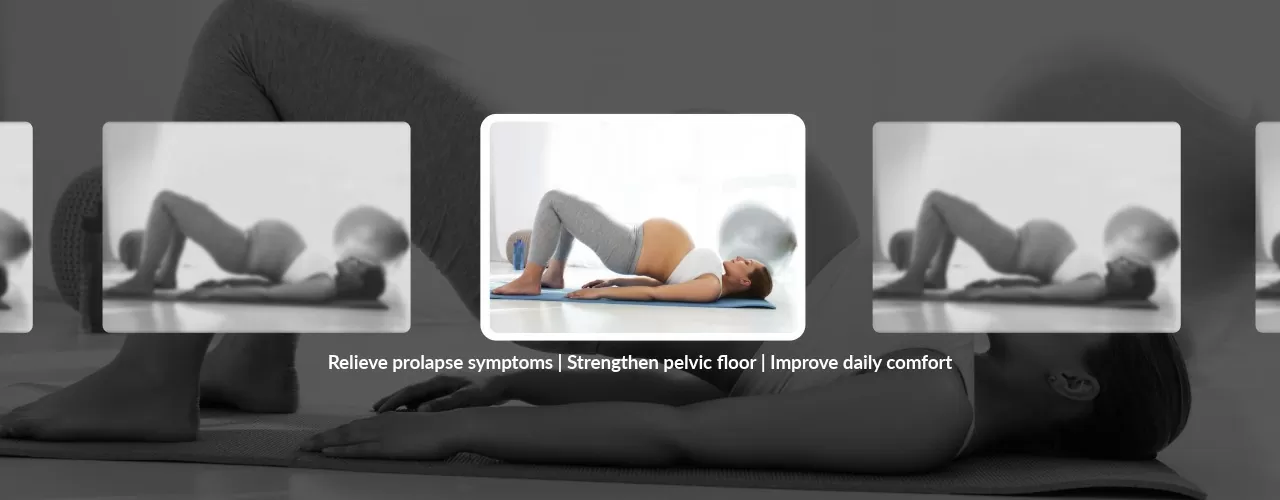
- Strengthening for core and pelvic floor stability
- Posture education to reduce pressure on the spine
- Breathing techniques to relax muscles and prepare for labor
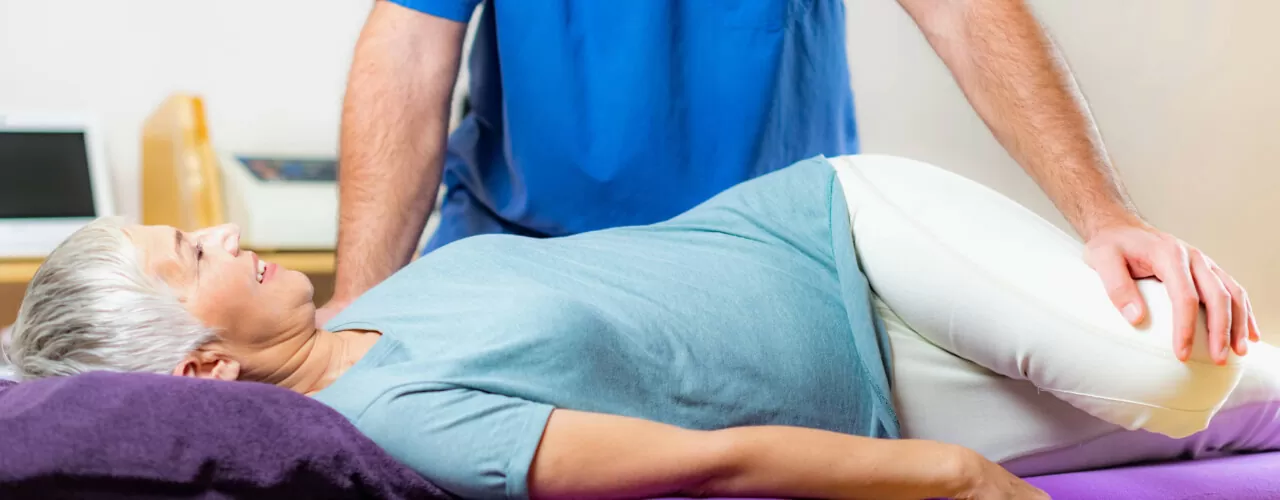
- Manual therapy to release tension and improve mobility
- Safe stretches to reduce stiffness in the hips and back
This approach not only decreases discomfort but also prepares the body for delivery and recovery.
What to Expect in Physical Therapy for Pregnancy Pain
- During the first session, the therapist will discuss symptoms, lifestyle, and goals. A gentle movement assessment identifies areas of weakness, tightness, or instability. From there, a personalized plan is created. At Beyond Therapy and Wellness, women receive hands-on care, guided exercises, and strategies to use at home. The goal is to restore comfort, improve function, and give women tools to manage pain as their pregnancy progresses.
Can Physical Therapy Prevent Pain From Worsening?
- Yes. Many women start therapy early to reduce the risk of worsening pain as pregnancy advances. Strengthening the pelvic floor and core helps stabilize the body and prevent injuries. Learning safe movement patterns, such as how to bend, lift, and sit, protects joints and muscles from unnecessary strain.
Will Therapy Help After Delivery?
- Absolutely. Postpartum physical therapy focuses on recovery after childbirth, addressing issues such as abdominal separation, pelvic floor weakness, or back pain. Women who receive physical therapy for pregnancy pain often have an easier transition into postpartum care because they already know safe exercises and body mechanics.
Why Choose Therapy Instead of Only Rest?
- Rest may bring temporary relief, but too much inactivity can cause muscles to weaken and stiffness to increase. Active, guided therapy helps maintain mobility and strength, which supports both mother and baby. By staying active in safe ways, women often feel more comfortable and confident.
Patient Example: Comfort Restored During Pregnancy
One of our patients at Beyond Therapy and Wellness experienced sharp hip pain that made walking and sleeping difficult. After beginning therapy, she learned targeted stretches and breathing techniques to relax her pelvic floor. Gentle strengthening exercises improved her stability. Within weeks, she reported less pain, better sleep, and more energy to enjoy her pregnancy.
Pregnancy should be a time of joy, not constant discomfort. With the right care, women can ease pain, protect their bodies, and prepare for recovery after birth.
Find Relief With Expert Care
If you are experiencing discomfort, physical therapy for pregnancy pain can help you stay active and comfortable. At Beyond Therapy and Wellness, our women’s health specialists provide safe, effective care tailored to each stage of pregnancy. Contact Beyond Therapy and Wellness in Bedford, TX today to schedule your appointment and enjoy greater comfort throughout your pregnancy.