

Moving with Greater Comfort and Confidence with Pelvic Organ Prolapse
Pelvic organ prolapse can make your body feel unfamiliar. You may notice pressure or heaviness in your pelvis. Some people describe a bulging sensation or feel as though something is falling or dropping inside the vagina.
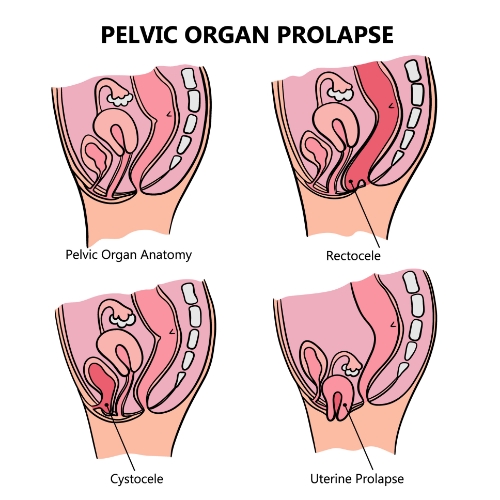
Pelvic organ prolapse occurs when the muscles and connective tissues that support the pelvic organs change and one or more organs move downward toward the vaginal canal. Depending on the structures involved, prolapse may affect the bladder, uterus, vaginal walls, or rectum.
Symptoms can influence much more than pelvic comfort. You may become nervous about lifting, exercising, standing for long periods, having a bowel movement, or caring for your children. Even activities that do not cause symptoms may start to feel questionable because you are unsure what is safe.
At Beyond Therapy and Wellness, physical therapy for pelvic organ prolapse in Bedford, TX focuses on helping you understand how your pelvic floor and body manage everyday demands. Treatment can address muscle function, pressure management, bowel and bladder habits, strength, and movement so you can make informed decisions about the activities that matter to you.
Understanding the Factors That Influence Pelvic Organ Prolapse
Your pelvic organs are supported by a combination of muscles, connective tissues, and surrounding structures. The pelvic floor is an important part of that support system, but prolapse is not simply the result of weak pelvic floor muscles.
Changes can develop for several reasons, and more than one factor may be involved.
Having one or more of these factors does not mean you caused your prolapse. Understanding them simply helps your therapist determine which areas may be useful to address.
These may include:
- Pregnancy and Childbirth: Pregnancy changes the demands placed on the pelvic floor and abdominal wall. Vaginal delivery can also affect pelvic muscles, connective tissues, and nerves.
- Pelvic Floor Function: Strength, endurance, relaxation, and coordination all influence how the pelvic floor responds to pressure and physical activity.
- Connective Tissue Changes: The tissues that help support the pelvic organs can change over time and may be influenced by pregnancy, childbirth, hormones, and individual tissue characteristics.
- Menopause: Hormonal changes may affect tissues in and around the pelvis.
- Constipation and Straining: Repeated straining during bowel movements can increase pressure on the pelvic support system.
- Chronic Coughing: Frequent coughing repeatedly increases pressure through the abdomen and pelvic floor.
- Physical Demands: Lifting, exercise, work, and caregiving require the pelvic floor and surrounding muscles to respond to changing loads.
- Pelvic Surgery: Previous surgery may influence pelvic support, tissue mobility, and muscle function.
- Overall Strength and Coordination: The abdomen, hips, breathing muscles, and pelvic floor work together during movement and physical effort.
When Pelvic Pressure Starts Changing the Way You Live
Pelvic organ prolapse does not feel the same for everyone. Some people notice a vaginal bulge. Others primarily experience heaviness or pressure, particularly after spending more time on their feet or participating in certain activities.
Symptoms can also vary from one part of the day to another.
You may notice:
- Pelvic or vaginal heaviness.
- A feeling of pressure or fullness in the pelvis.
- A bulge or tissue near the vaginal opening.
- A sensation that something is dropping or falling.
- Symptoms that become more noticeable with prolonged standing or activity.
- Discomfort or pressure during exercise.
- Difficulty completely emptying the bladder.
- Urinary leakage or urgency.
- Difficulty having a bowel movement.
- Repeated straining or a feeling of incomplete bowel emptying.
- Changes in comfort during intimacy.
- Worry about lifting, running, strength training, or other activities.
- Avoidance of exercise or daily tasks because of pelvic pressure.
Sometimes the fear of making prolapse worse becomes as limiting as the symptoms themselves.
You may stop lifting weights, carrying groceries, picking up your child, or participating in activities you enjoy because you have been told to protect your pelvic floor. While temporary modifications can sometimes be useful, avoiding physical demands indefinitely is not always the answer.
A pelvic health evaluation can help you understand how your body responds to activity and what changes may allow you to move with greater confidence.
A Practical Strategy for Improving Support and Managing Symptoms
Physical therapy does not promise to reverse every anatomical change associated with pelvic organ prolapse. Treatment instead focuses on factors that can be influenced, including pelvic floor function, strength, pressure management, bowel habits, and the way your body handles everyday activity.
Your plan should also reflect what you want to do.
Someone who wants to comfortably care for young children may need a different progression than someone hoping to return to running, gardening, strength training, or a physically demanding job.
Some people with pelvic organ prolapse may also benefit from medical treatments such as a pessary, which is a supportive device placed in the vagina, or surgery. These options are managed by appropriate medical providers. Physical therapy can be used as a conservative approach or alongside other medical care depending on your symptoms, goals, and individual situation.
Treatment may include:
- Pelvic Floor Muscle Training: Improving strength and endurance when greater muscular support may help manage symptoms.
- Pelvic Floor Coordination: Learning how to contract and relax the muscles appropriately rather than keeping them tightened throughout the day.
- Breathing and Pressure Management: Coordinating your breath, abdomen, and pelvic floor during lifting, exercise, coughing, and other activities that increase pressure.
- Therapeutic Exercise: Building strength through the hips, legs, abdomen, and surrounding muscles so your body is better prepared for physical demands.
- Functional Lifting Training: Practicing lifting strategies that help you manage pressure while gradually building confidence and capacity.
- Bowel Strategies: Addressing constipation, bathroom positioning, pelvic floor relaxation, and repeated straining when bowel habits are contributing to symptoms.
- Bladder Strategies: Addressing leakage, urgency, or emptying concerns when they occur alongside prolapse.
- Exercise Modification and Progression: Adjusting activities when necessary and then progressing them according to your symptoms and goals rather than creating a permanent list of forbidden exercises.
- Patient Education: Understanding prolapse, pelvic floor function, and symptom responses can help you make decisions without constantly worrying that normal movement will cause harm.
- Home Strategies: Practicing exercises and techniques outside the clinic helps you apply what you learn to your regular routine.
Replacing Movement Fear with Useful Information
Learning that you have pelvic organ prolapse can change how you think about your body. You may start questioning whether it is safe to exercise, lift weights, run, travel, work on your feet, or pick up your children. It is easy for caution to gradually become avoidance.
At Beyond Therapy and Wellness, we want you to understand your symptoms rather than become afraid of them.
Your therapist will look at what happens during the activities that concern you. Sometimes changing breathing, muscle coordination, technique, or exercise intensity can make an activity more comfortable. In other situations, your body may need more time to build strength and capacity before progressing. There is no single exercise plan that is appropriate for every person with prolapse.
We will explain what we see, listen to how your body responds, and involve you in decisions about progression. Your symptoms provide useful information, but they do not have to define everything you are allowed to do.
The goal is to help you develop practical strategies for managing prolapse while continuing to build strength and participate in daily life.
What to Expect During Your Evaluation and Plan of Care
Your first visit begins with understanding your symptoms and what they are preventing you from doing comfortably.
Your therapist may ask about pregnancy and childbirth, bladder and bowel function, constipation, pelvic pressure, exercise, lifting, work demands, menopause, previous surgery, and other relevant health concerns.
We will also talk about your goals. Maybe you want to lift your child without feeling pelvic heaviness. You may want to return to the gym, stand comfortably throughout your workday, take longer walks, garden, travel, or exercise without constantly monitoring your pelvis.
Your physical assessment may include:
- Breathing and abdominal coordination.
- Hip and lower body strength.
- Core function.
- Functional movement.
- Lifting mechanics.
- Pressure management during physical effort.
- Pelvic floor strength, endurance, relaxation, and coordination.
An internal pelvic floor examination may provide useful information about muscle function and pelvic support, but it is not automatically required.
If your therapist recommends an internal assessment, she will explain what it involves and why it may be helpful. You can ask questions, decline any portion of the examination, or stop at any point.
Together, you and your therapist will develop a plan based on the findings and the activities you want to regain.
Progress may include less heaviness during daily activities, improved pelvic floor control, easier bowel movements, greater lifting capacity, or feeling more comfortable returning to exercise. We will continue adjusting your program as your strength, symptoms, and confidence change.
Frequently Asked Questions
Physical therapy cannot promise to reverse the anatomical changes associated with prolapse. It can address pelvic floor strength and coordination, pressure management, constipation, exercise, and other factors that may influence symptoms and function. For some people, conservative care can make daily activities easier to manage. Others may also benefit from medical options such as a pessary or surgery.
Not necessarily. Some activities may need to be modified depending on your symptoms, current strength, and ability to manage pressure, but a prolapse diagnosis does not automatically mean you must stop exercising or lifting. Physical therapy can help you determine how your body responds and develop a gradual approach to the activities you want to perform.
No. Pelvic floor strengthening may be helpful for some people, but effective pelvic floor function also requires relaxation, endurance, and coordination. Some people already have excessive muscle tension or difficulty relaxing. An evaluation helps determine what type of pelvic floor training is appropriate rather than assuming that more contractions are always better.
Keep Doing More of What Matters to You
A prolapse diagnosis can make it tempting to organize your life around protecting your pelvic floor. But your body still needs movement, strength, and opportunities to build capacity.
At Beyond Therapy and Wellness, pelvic health physical therapy can help you understand what contributes to your symptoms and develop strategies for managing physical demands more confidently. We focus on useful changes that support your daily life rather than asking you to avoid meaningful activities without a clear reason.
Contact Beyond Therapy and Wellness to schedule an evaluation for pelvic organ prolapse in Bedford, TX. Let us help you better understand your symptoms, build strength, and make more confident decisions about movement and activity.
Your Next Steps…
- Request An Appointment
- Receive A Custom Treatment Plan
- Work Hard and Progress In Your Recovery
- Recover & Enjoy Life Pain-Free